
February, 2025
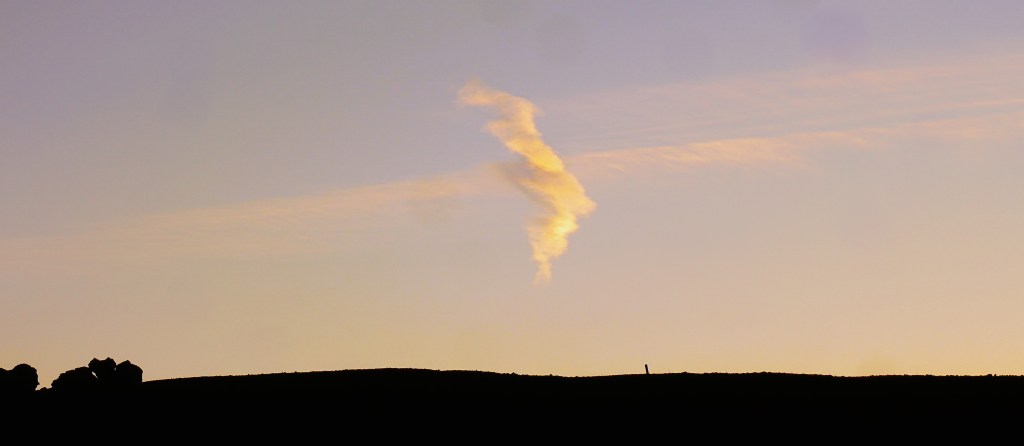
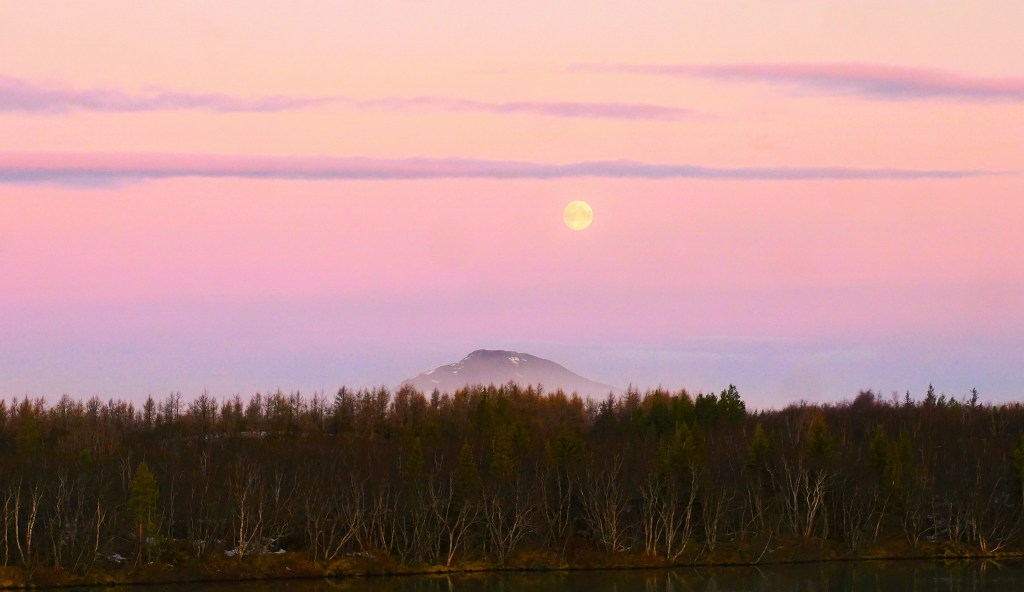
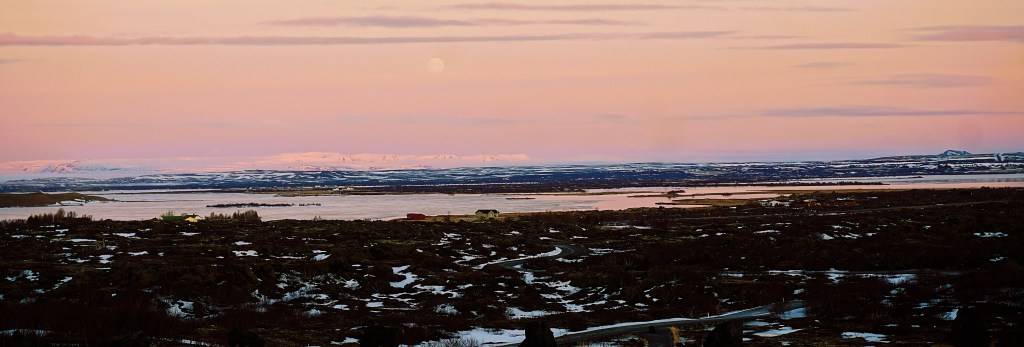
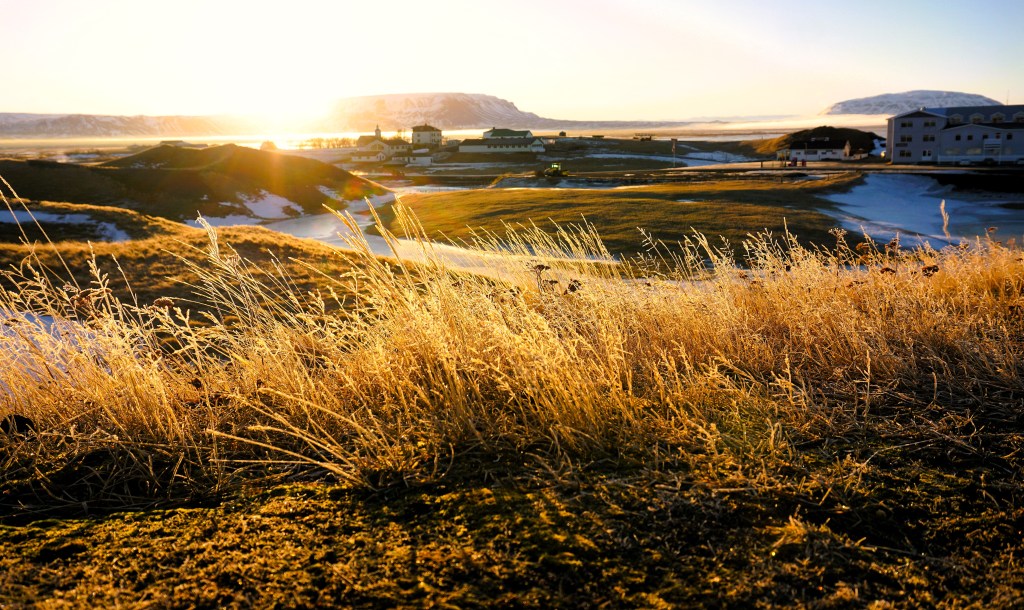
After last night’s spectacular Northern Lights display we were greeted with a pretty nice sunrise the next morning on our way to Dimmuborgir. Along the journey we were able to see wetlands that were created by a basaltic lava eruption estimated to have occurred 2,300 years ago.
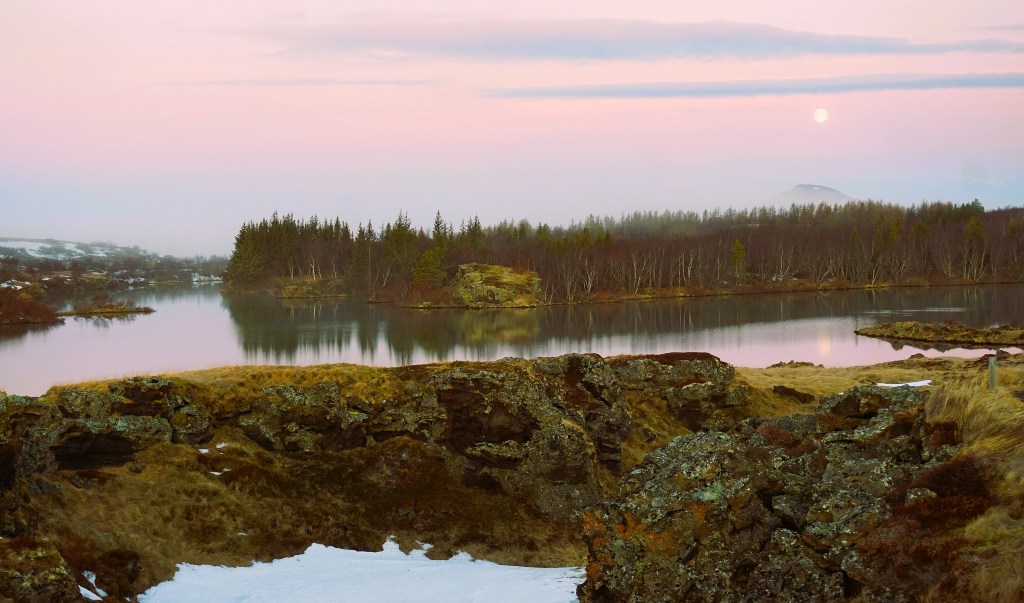
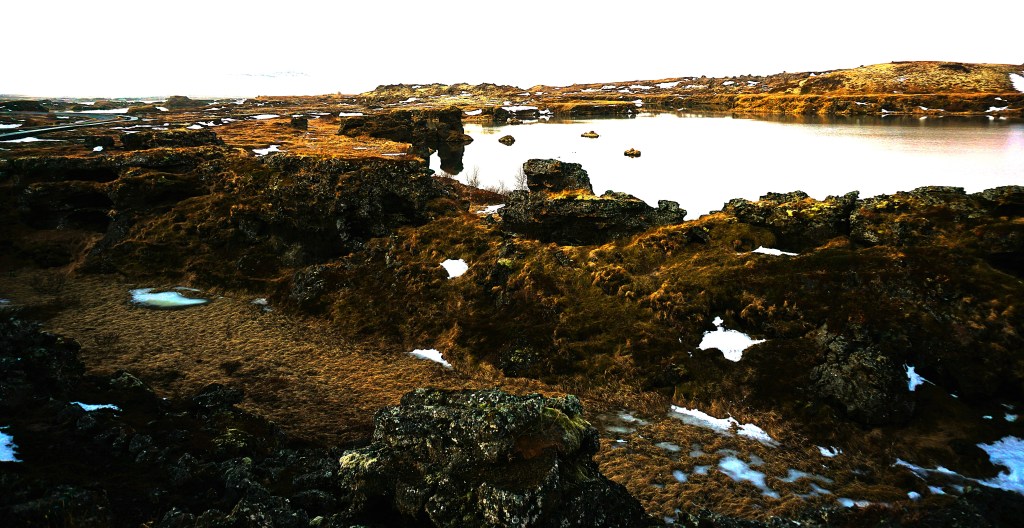

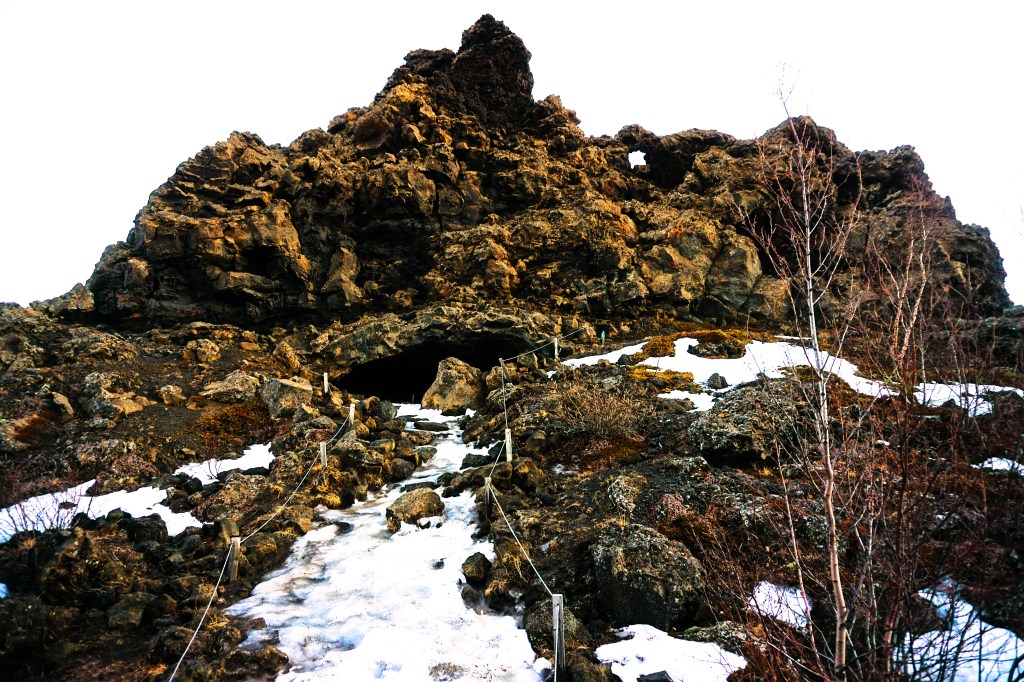
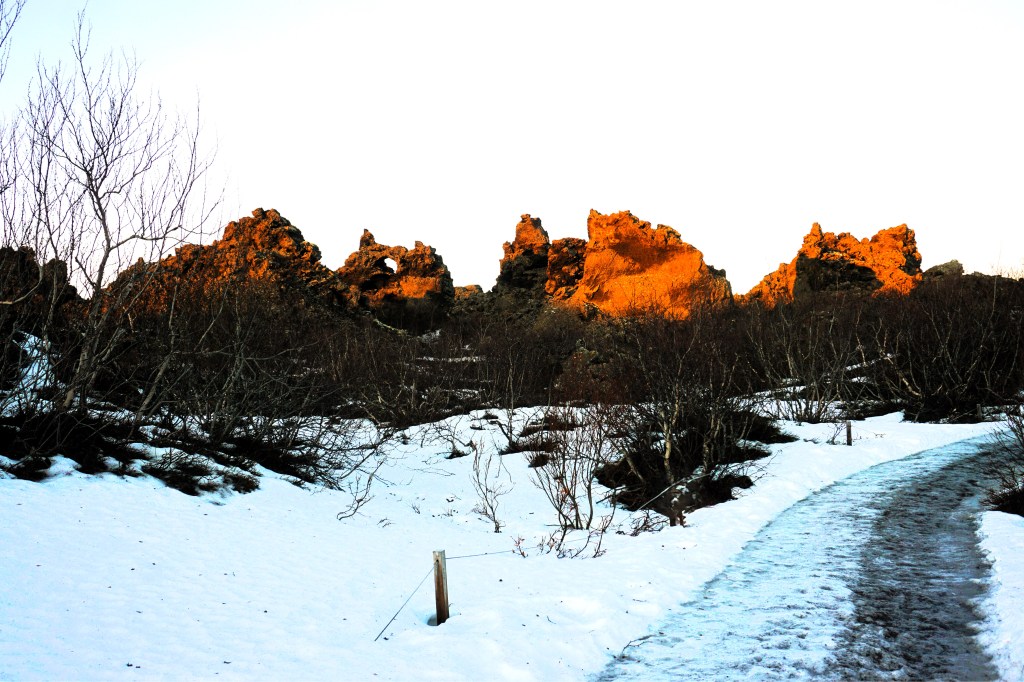
Dimmuborgir’s rock formations, arches and caves were formed when hot lava flowed over this marshy area causing the water in the ground to boil, the rising vapors pushing the lava into pillars. Dimmuborgir means “dark cities.” The area is reportedly home to the Yule Lads, and Icelandic folklore also imagines that this is an area that connects earth with hell – literally the “gates to hell.”
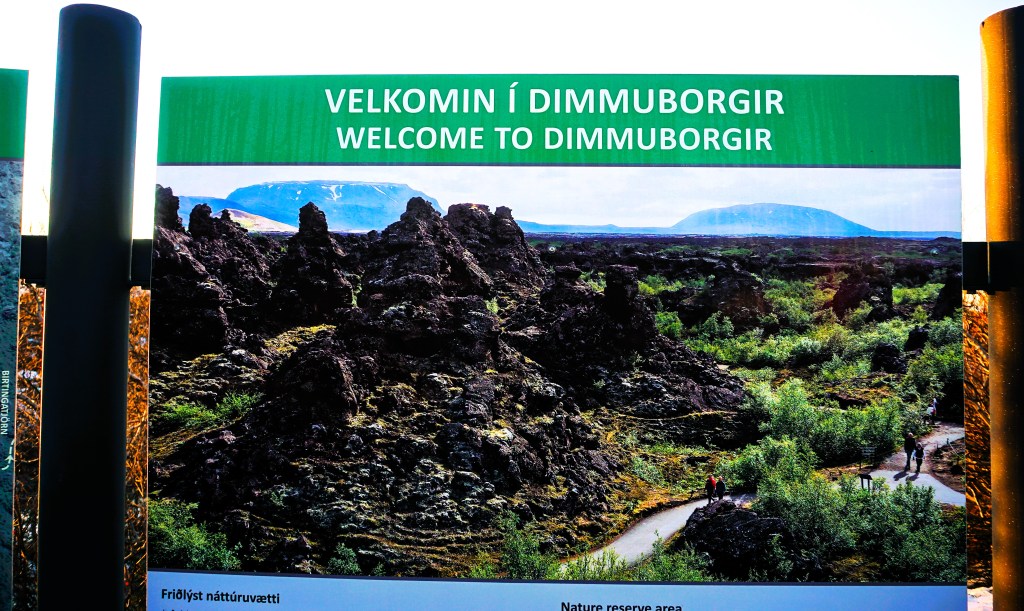

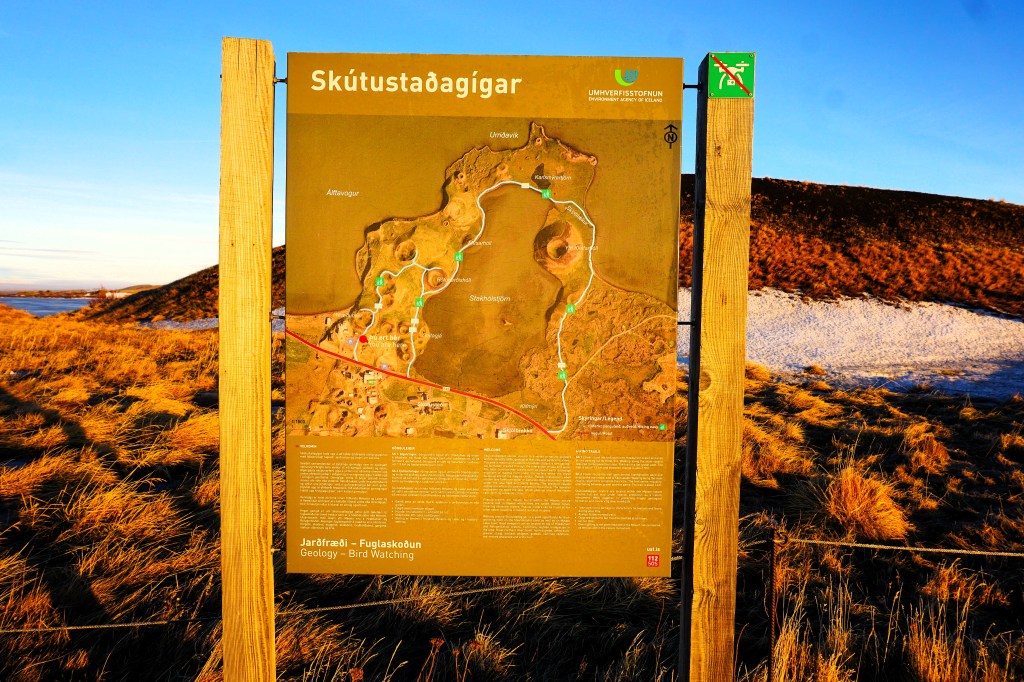
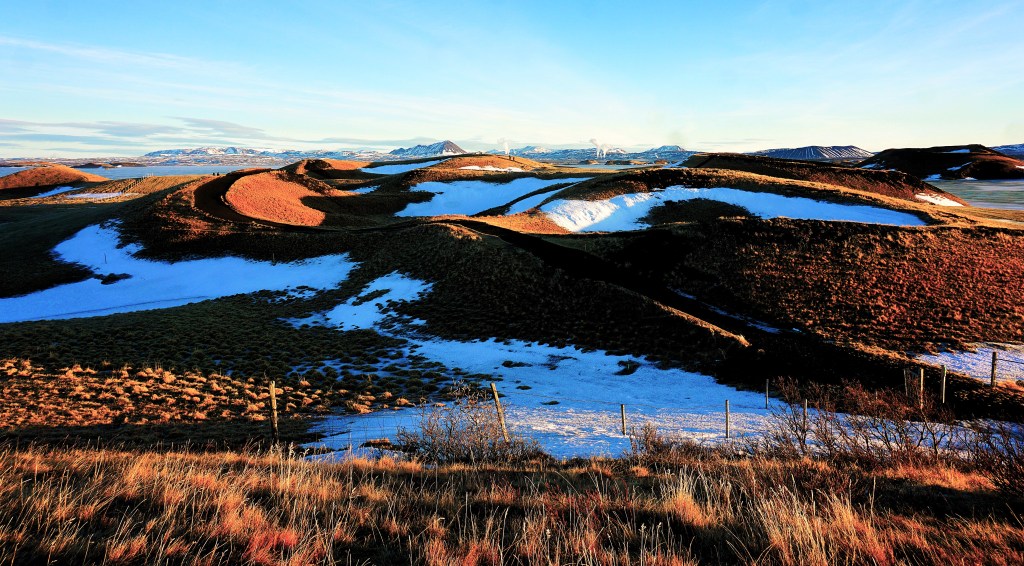
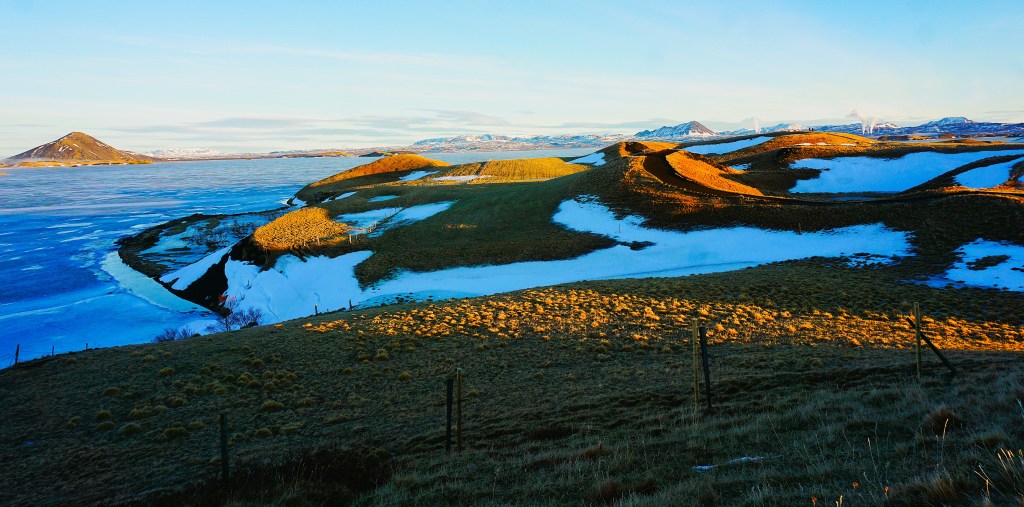
Skutustadagigar is a landscape of pseudo-craters formed by gas explosions as boiling lava flowed over cool, wet surfaces.

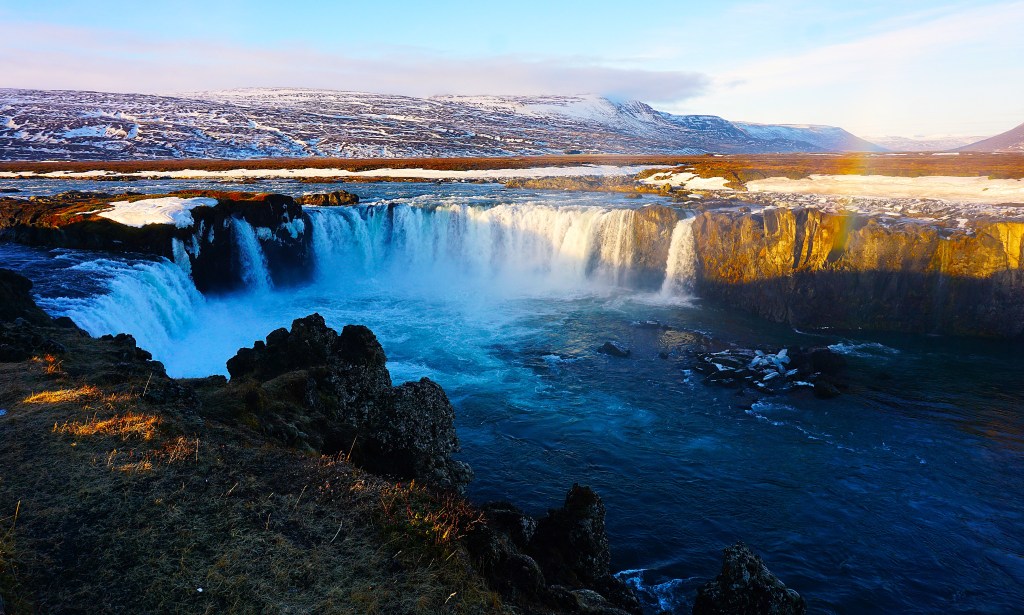
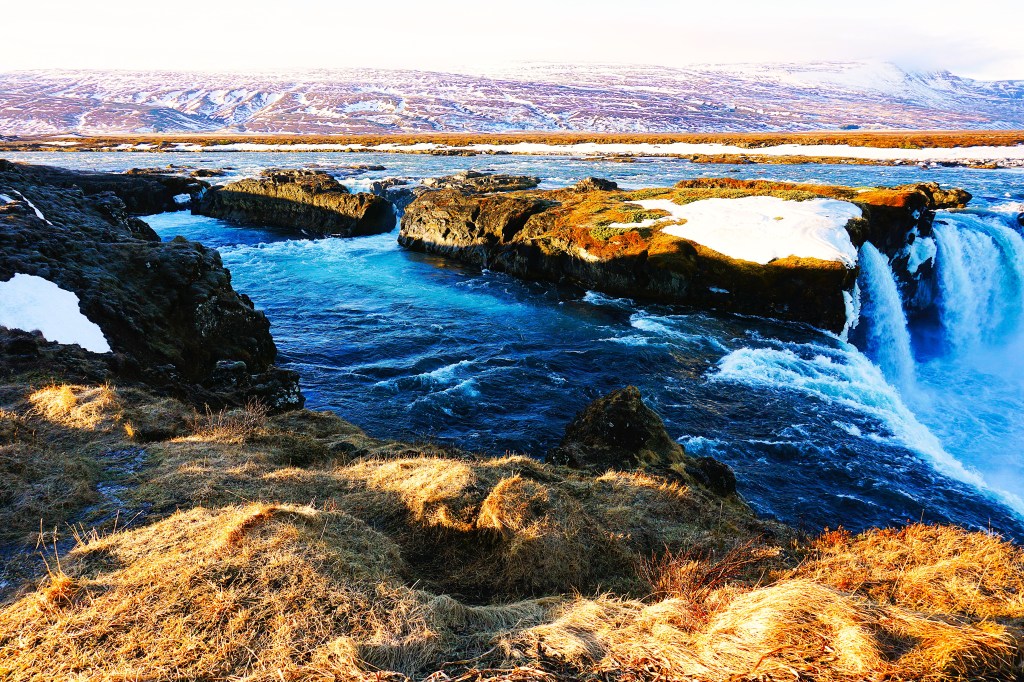
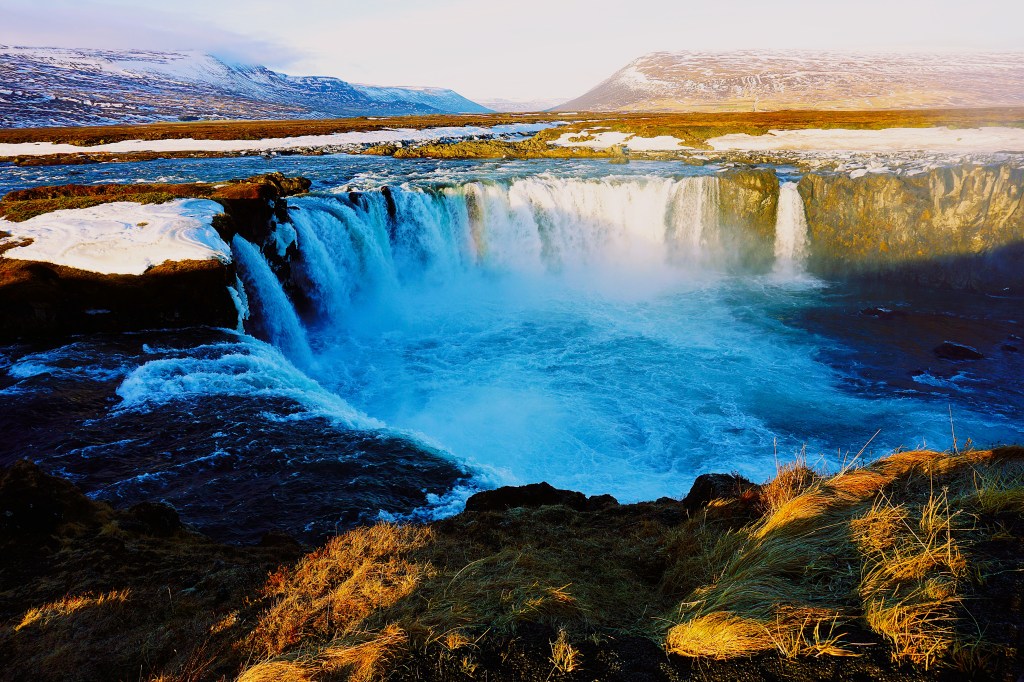
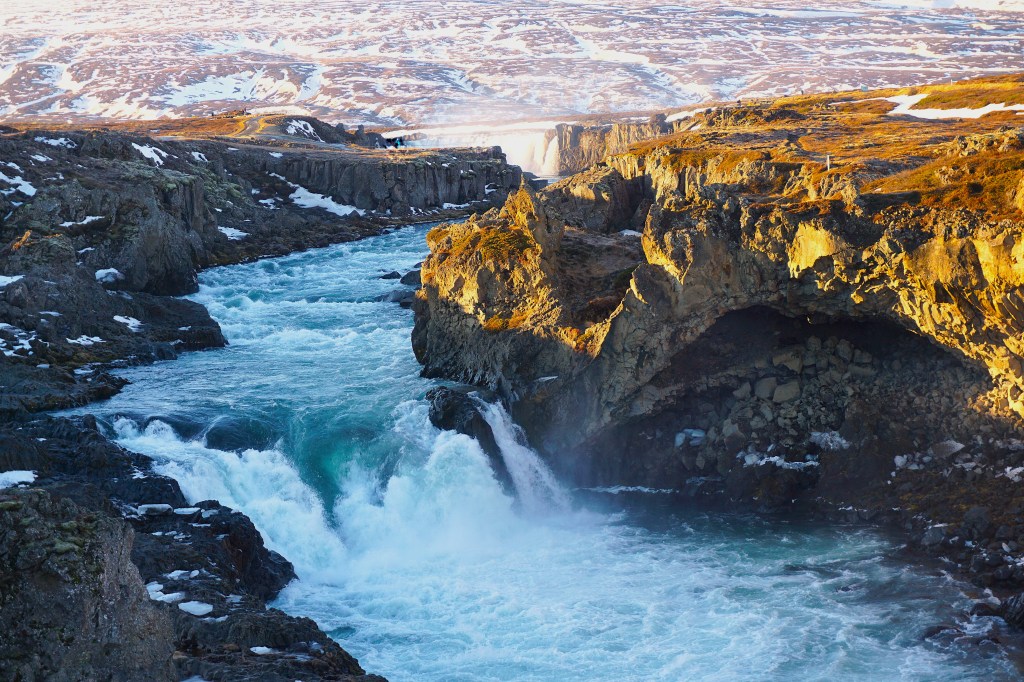
The Waterfall of the Gods or Godafoss, is not very tall, but unique as the cascade is divided into two horseshoe shaped falls. “Rumor has it” that when Iceland converted to Christianity in the year 1000CE statues of the pagan gods were thrown into the falls.




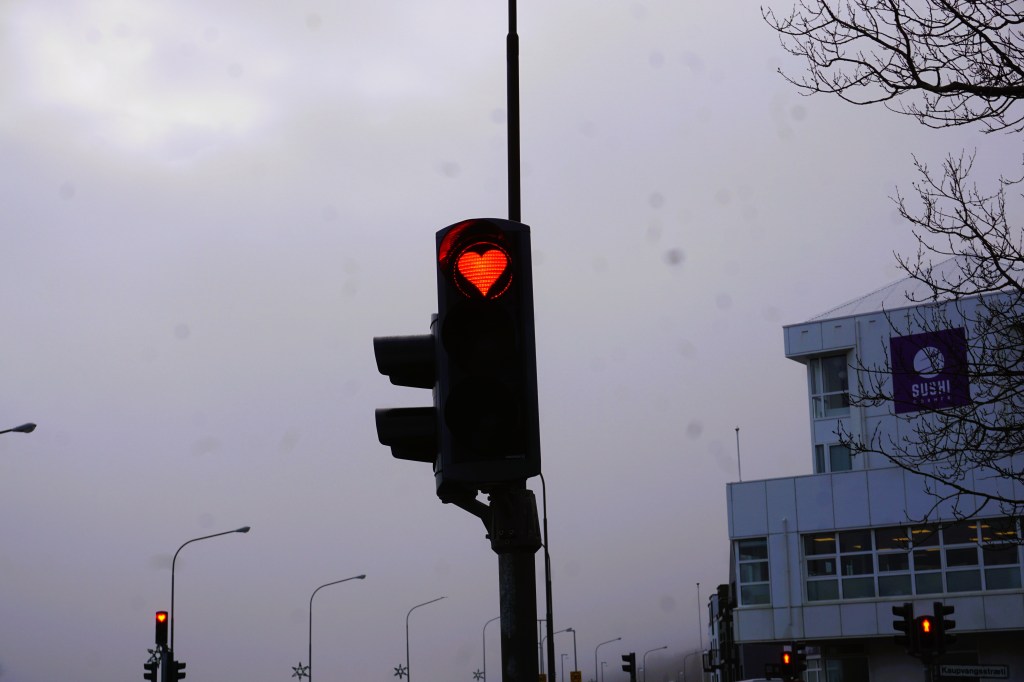
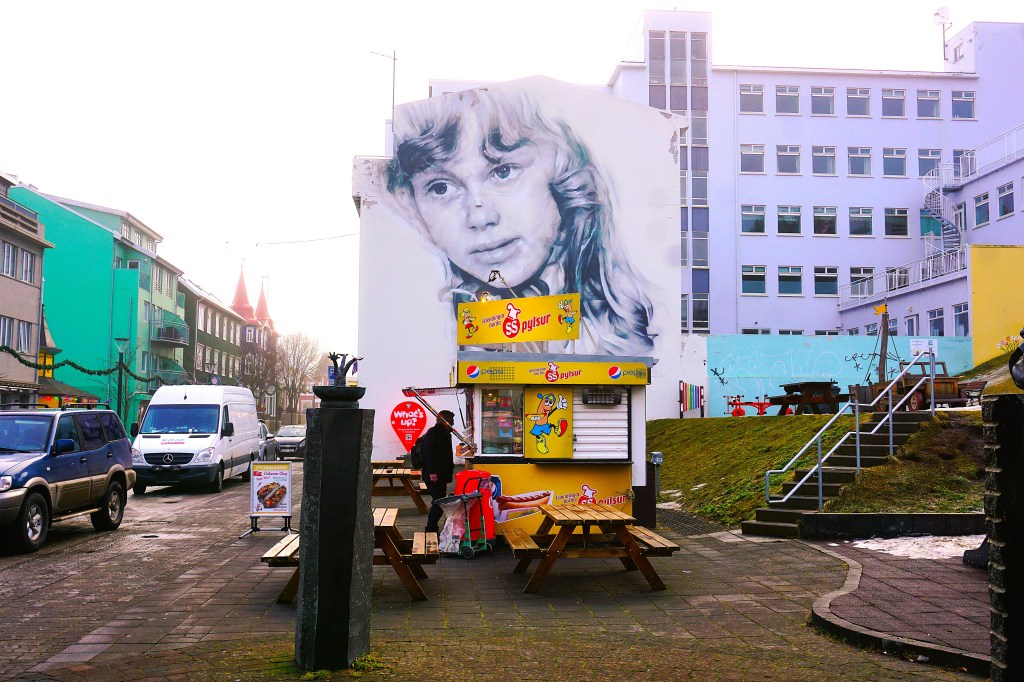
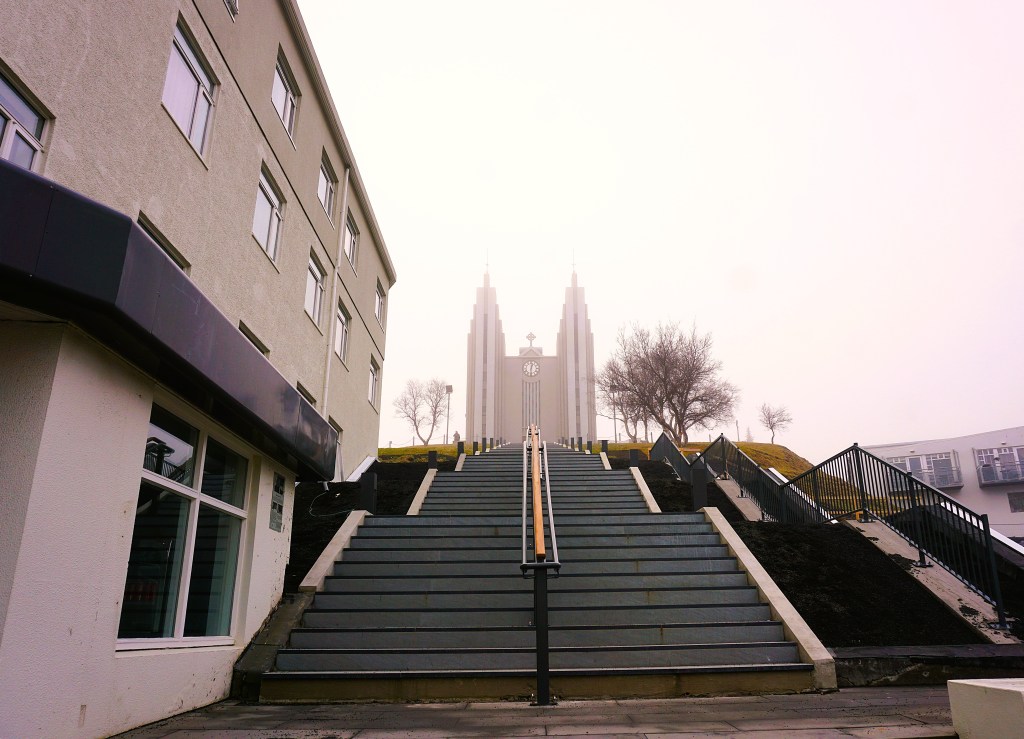
Iceland’s second largest city is Akureyri. Situated innermost on a fjord, the city is an old trading station and fishing village…and only 10 miles from the Artic Circle! A most delightful feature of Akureyri is that the red in the city’s traffic lights are in the shape of hearts. We had the chance to wander the streets of this quaint city, spend some time in the local bookstore enjoying a cappuccino (and buying a book about the Yule Lads – ‘natch!), and treating ourselves to a great lunch.

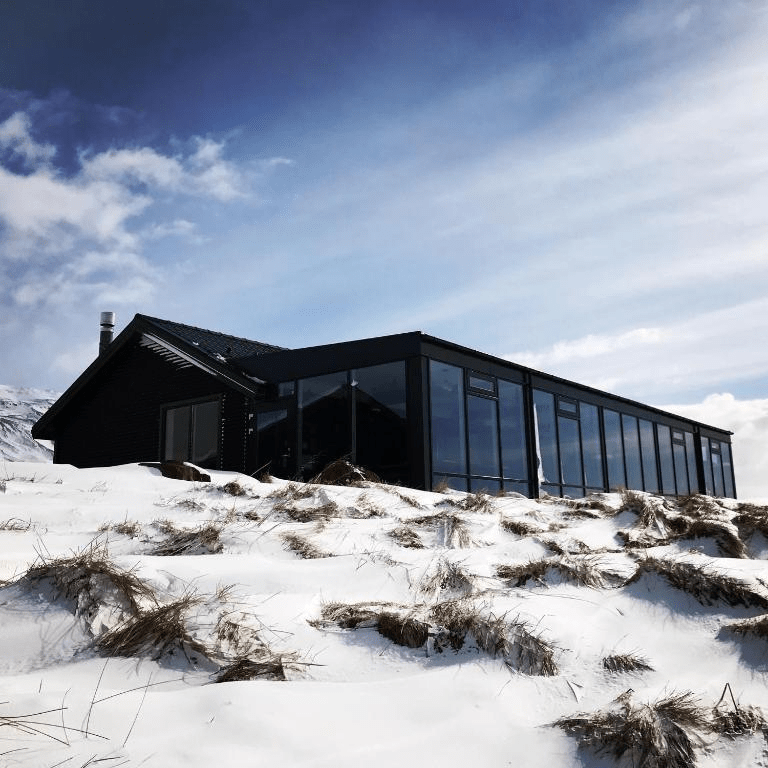
Leaving Akureyri we followed the Ring Road west to our last overnight while before returning to Reykjavik. The Hofsstadir County Hotel will be remembered for serving horse on its breakfast buffet.
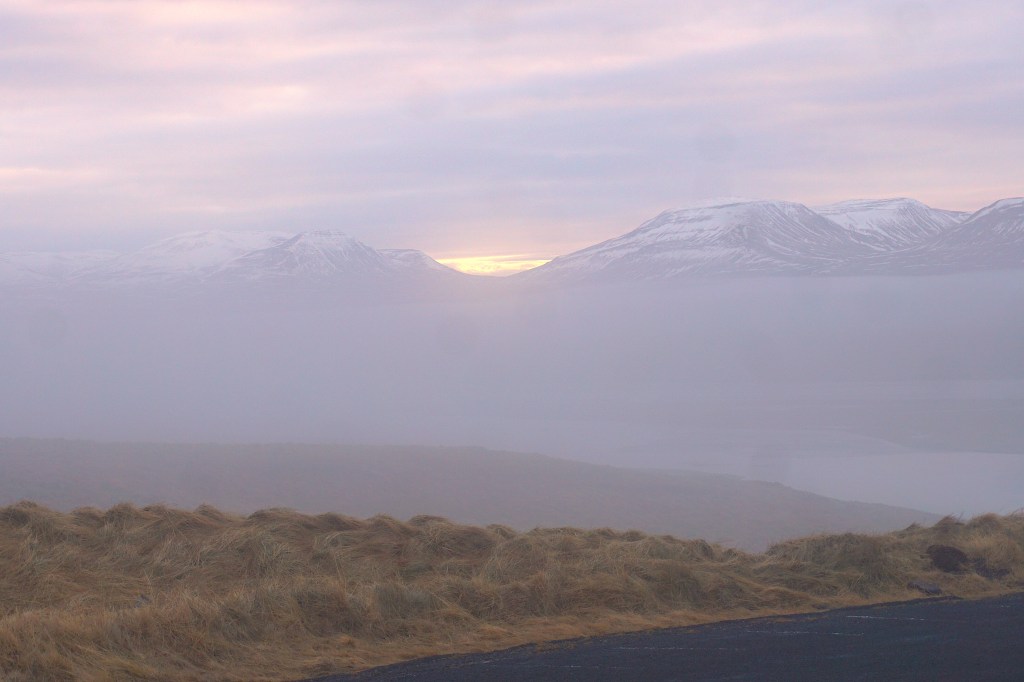
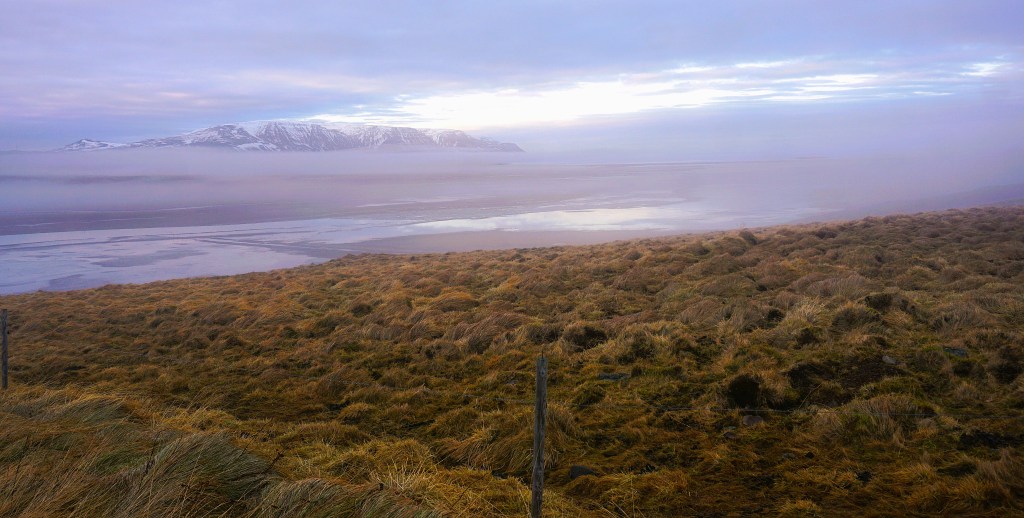
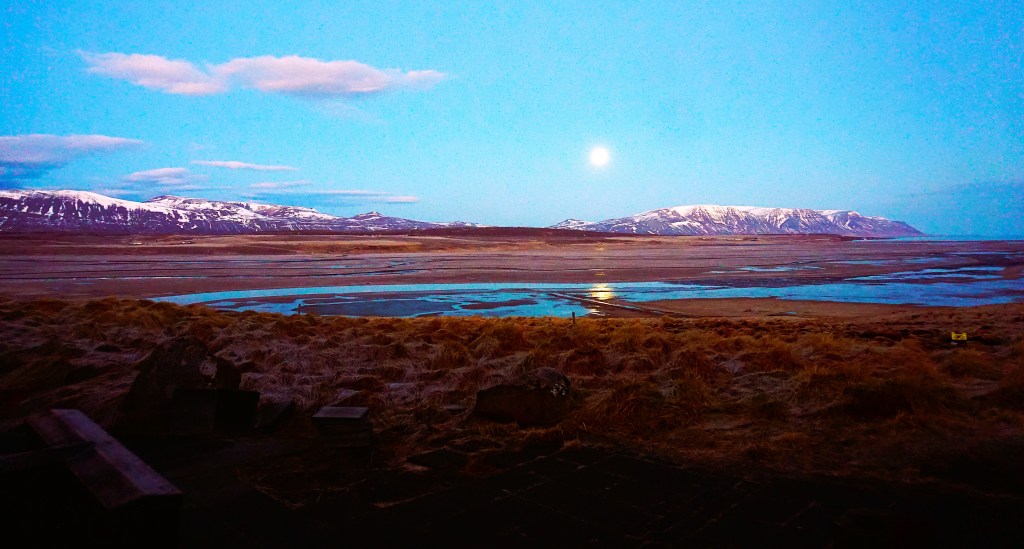
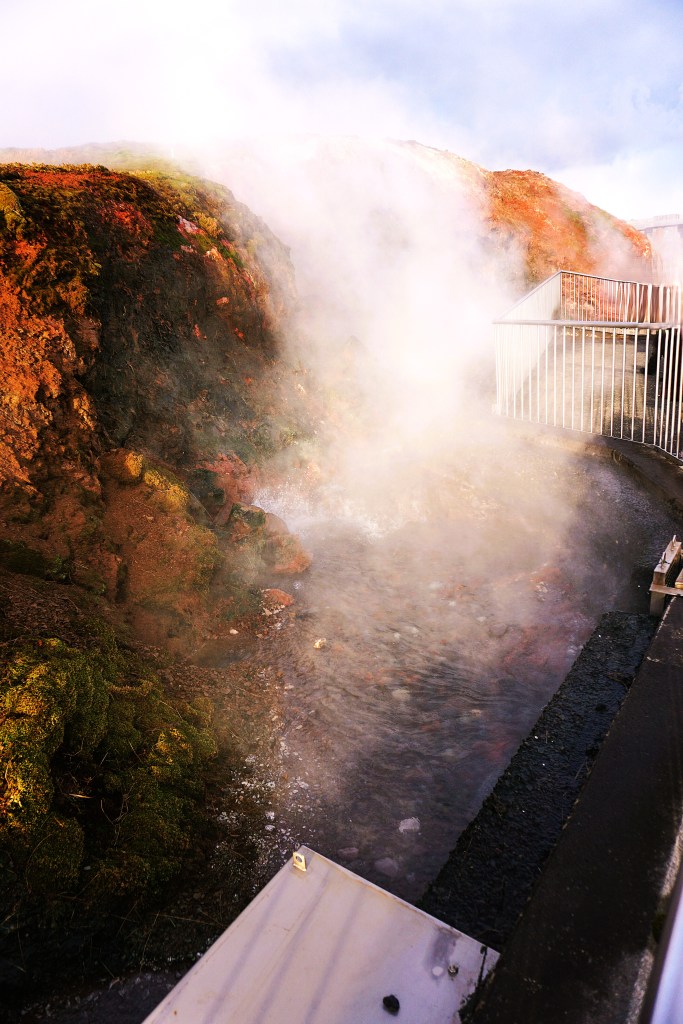
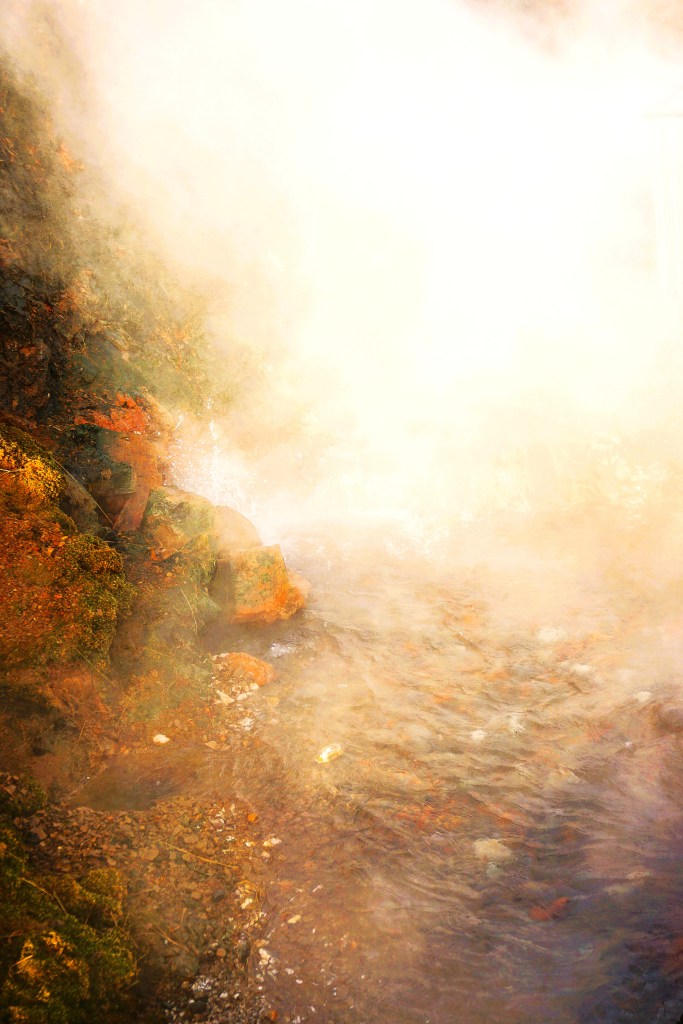
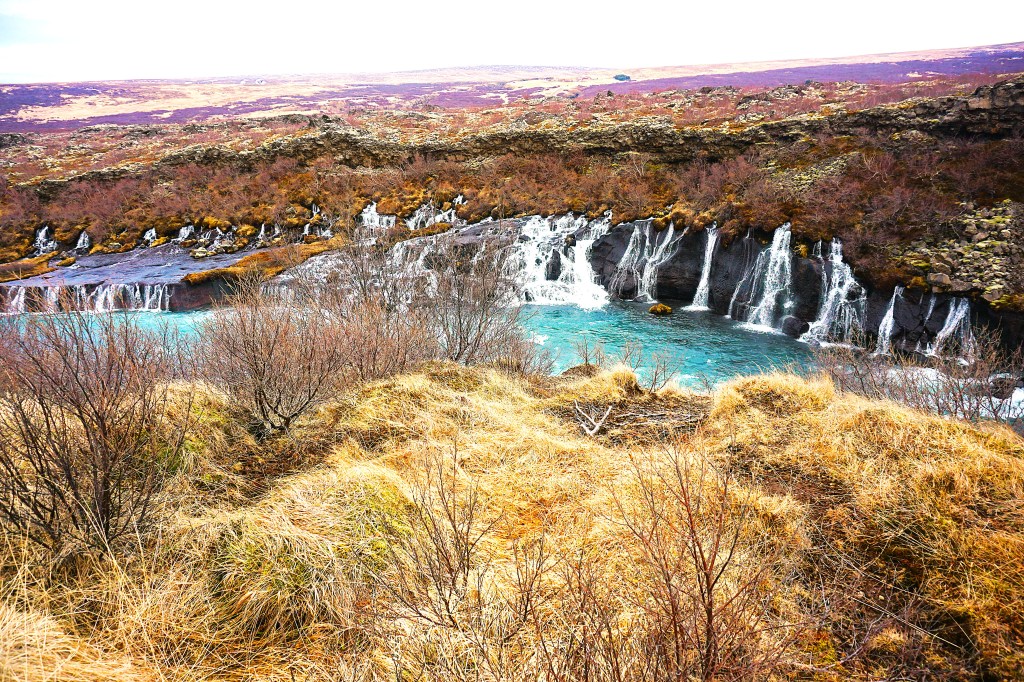
Two stops in Western Iceland before the long trek back to Reykjavik. Deildartunguhver is reportedly the most powerful hot springs in Europe. And our second stop at the twin waterfalls of Hraunfossar and Barnafoss, which were Brian’s favorite.

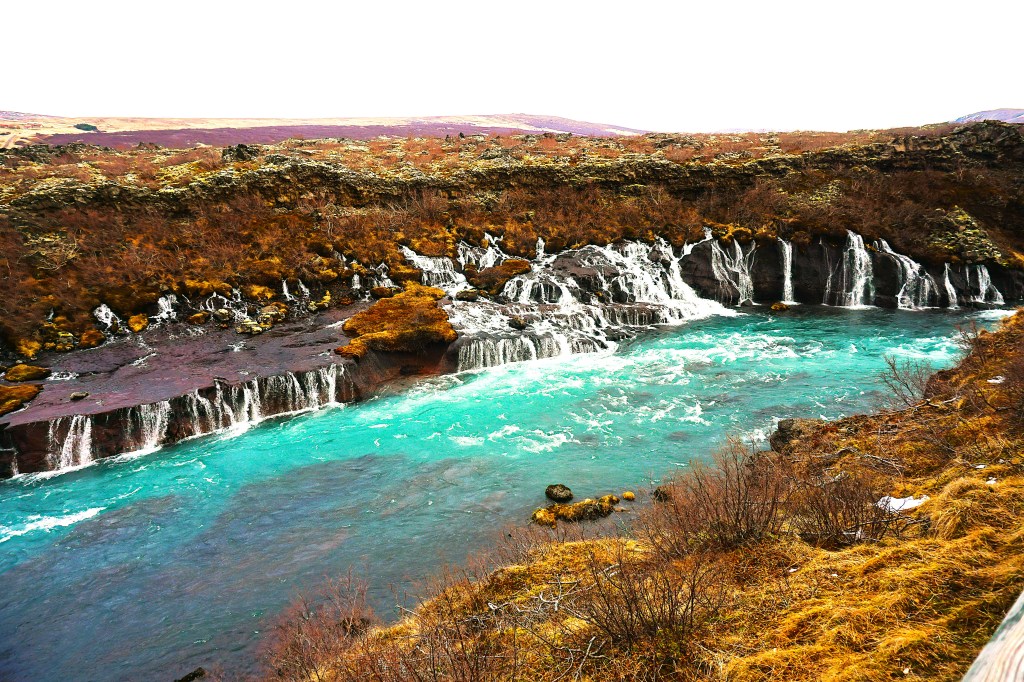
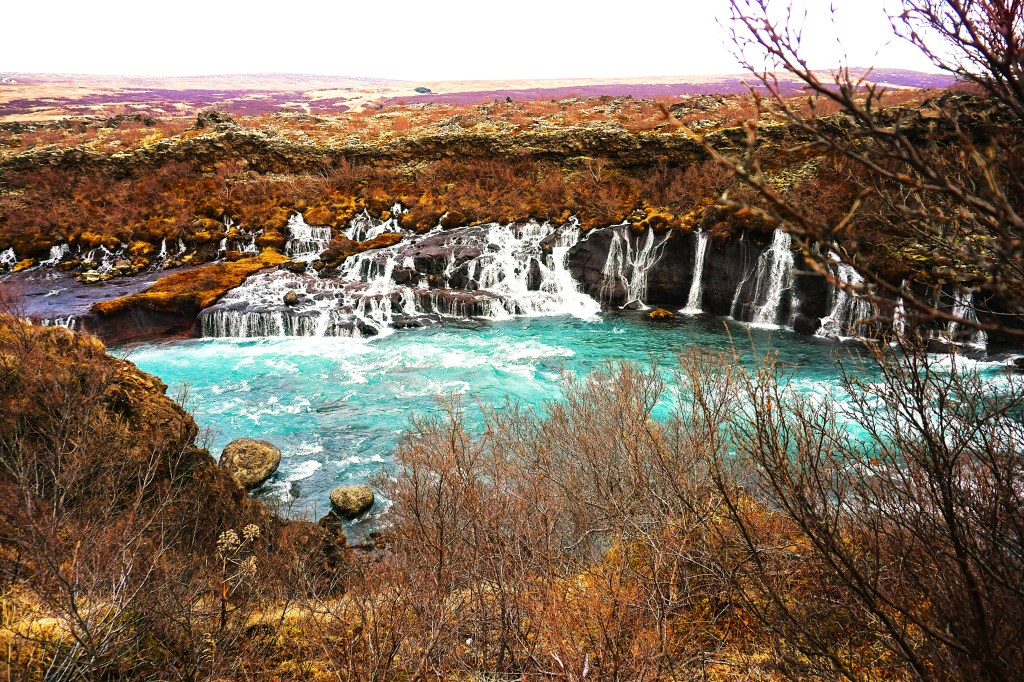
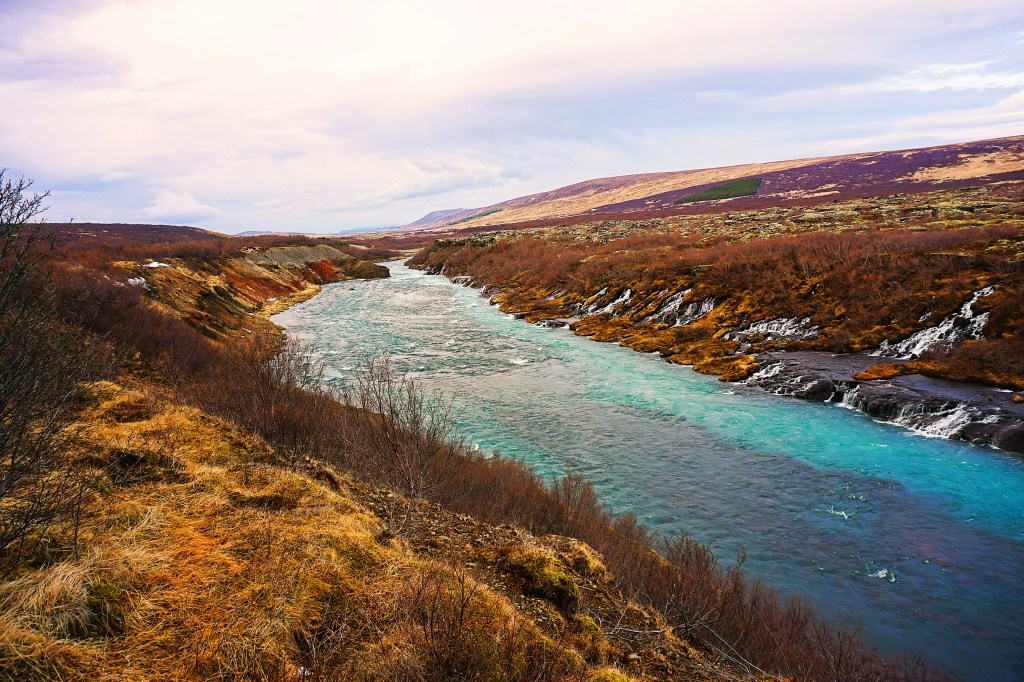
Hraunfossar and Barnafoss are notable falls, because the water flows through, not over lava rock formations. Hraunfossar translates to “Lava Waterfall”, and Barnafoss means “Children´s Waterfall.”
Hraunfossar is best described as a collection of countless creeks and cascades, small and big streaming out of the lava over a distance of about 10 football fields.
There’s folklore behind the Barnafoss name. Here’s the folklore: A long time ago there was a widow living on a farm nearby with her two young children. One day the widow went to a Christmas Church Service, but left her children at home unattended. When the widow came back from the evening service her children had disappeared. People went searching and found their footsteps leading to the stone arch over the river. The children were never found, and their mother had the arch destroyed promising that no one would ever cross the falls again.

A few hours later and we had returned to Reykjavik bidding a fond good-bye to our tour guide Boga – thanking her for exceeding expectations every day, for sharing her insights and personal knowledge of her beloved country and cementing in our minds and hearts forever the splendor of Iceland.
Barbara and Brian
“It’s not what you look at that matters, it’s what you see.“ – Henry David Thoreau

 Aimless Wanderings