February, 2025
For those of you who follow the aimless wanderings of this love affair started so long ago, Mesa Arizona should be the place you’d expect to find us during the winter months. But a strange thing happened following our 2023-2024 fun in the sun spending oh so much quality time with our VDO friends…we thought to ourselves that there just might be a better way to enjoy our golden years while we were still the crazy pickleball junkies, softball playing, hiking crazed, bike riding enthusiasts, in great health who just happen to want to see the world. We would never discount the importance of our friends, and the friends we have made in Arizona are perhaps nearer and dearer to us than anyone but our own family.
So on the way home from Arizona in 2024 we began making a bucket list of where we wanted to go and what we wanted to see before we settled down (AGAIN!) to a less active lifestyle. You’d never guess that Iceland topped the list – right?
The questions asked when considering an adventure include what and where do friends recommend, what do you want to see, when do you want to travel, how long do you want to be gone, and how much is in your budget? We quickly found out that all of our friends that had gone to Iceland loved it but couldn’t remember the tour company they used. We decided that the Ring Road tour including the golden triangle was a must (more on this later), that we wanted to “soak our bones” in geothermal pools and spend a day or so in the country’s capital city, Reykjavik. Ten days seemed an OK length of time, and, well, did the cost really matter? Airfare was not included in the tour package, and from our home in Southeast Michigan there are no less than 6 airports offering international air travel within a reasonable distance. Long story short, we flew out of Toronto on Icelandic Air direct into Reykjavik at a savings of approximately $800 per ticket compared to airports and carriers in the States. We booked an Icelandic adventure for early February, 2025 with Nordic Visitor, a company we can now highly recommend.

February in Iceland? Well, the winter months of 2024-2025 were reported to be the best months in a long, long time to come to see the Aurora Borealis, and guess what was #1 on our travel bucket list?

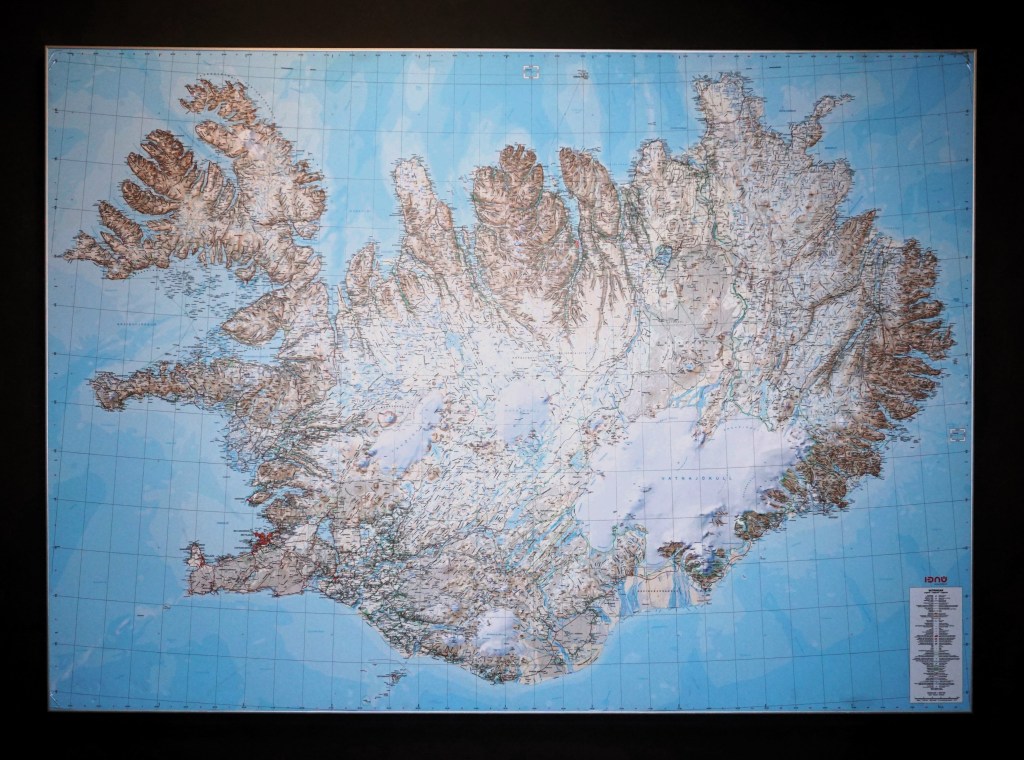
The country is 305 miles across at its widest point and is approximately 40,000 square miles in total area – about the same size as Kentucky or Virginia. At its most northern point Iceland is less than10 miles from the Artic Circle, and the island is approximately 205 miles from the artic at its southernmost point.
The Artic Circle is found at latitude 66.3359 N and longitude 0.0000 E, and Iceland’s coordinates are latitude 64.9313 N and longitude 19.0212 E – just next door! Being so far north the island’s daylight and darkness cycles are strongly affected all year long with almost 24 hours of darkness a few days before and then a few days after the winter solstice. Would there be enough daylight in February to enjoy our tour? Thank goodness for google. We found that, on average, there would be around 8 hours of daylight during the time we’d booked to be in the country. What we experienced though is that although sunrise was near 9:45am, the sun wasn’t what we think of as the sun until closer to 10:30 (kinda like it needing that second cup of coffee in the morning). Sunset was around 5:30pm, and it got very, very dark very, very fast. For a photographer the angle of the sun to the earth at this latitude produced some amazing color. Even on a cloudy bleak day the black of the volcanic beach sand and the iceberg lagoon turning totally to a blue hue were discovered through the eye of the camera. But you’ll get a chance to see all of that…read on!
And as for the weather…check it out. The average daily high temperature in Iceland in the beginning to middle of February is 39 degrees Fahrenheit with overnight lows around 30 degrees. Now compare that to where we live in Michigan with the average February high temperature of 34 degrees Fahrenheit and overnight lows around 17 degrees. Warmer in Iceland and so close to the Artic? The gulf stream runs right along the island’s eastern shore and provides a moderating effect. Don’t think this makes the island totally habitable though. Inland, referred to by Icelanders as the Highlands, is more akin to the usual perception of being in the Artic…snow and ice covered, glacial, rapidly running rivers and streams fed by glacial run-off, and 32 (yes 32!) calderas, volcano systems or active volcanos.
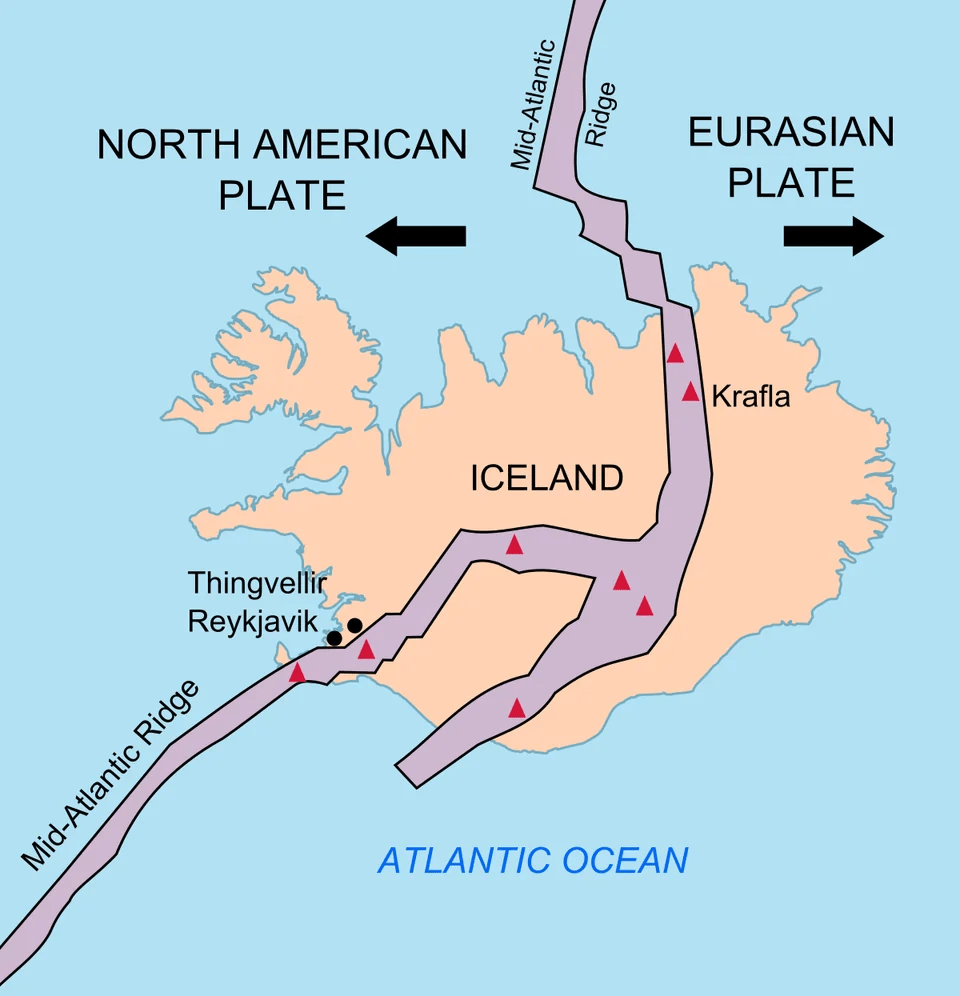
Iceland broke from the Eurasian landmass being “brought” to the North Atlantic on the back of two tectonic plates which settled into what was to become the Mid-Atlantic Ridge. The North American and Eurasian tectonic plates bisect the island. Now this is curious as tectonic plates are not fixed in place and in this case, each is moving in an opposite direction at a rate of about 1 centimeter per year. Iceland’s landmass is literally growing at that same rate of 1 centimeter per year as the tectonic plates continue on their journeys. The movement of the plates is anything but smooth and there is constant jostling for position. Movement of tectonic plates results in earthquakes, and Iceland experiences approximately 20 mostly minor earthquakes per day – yes, per day.
The other interesting fact about pressured movement of the tectonic plates is that it opens up chasms and chimneys into the earth’s layer of magma, and “hotspots,” caldera and open fissures on the earth’s crust result. The probability of major volcanic activity in Iceland is high, as is the probability of new fissures.
The country is a geologist, seismologist and volcanologist’s dream! Or is that perhaps nightmare?

Did we mention that the one constant about Icelandic weather, regardless of time of the year, is that the wind never stops? Occasionally weather patterns will occur which include a heavy rainfall, ice or blizzard conditions combined with gale force winds. Gale force winds are those between 39 and 54 miles per hour, which if sustained become particularly dangerous for air travel. In those circumstances a red flag warning is issued, which means citizens should stay indoors, and air travel is suspended – -the airport closed. Yup – on the day we were to catch our flight there was a red flag warning. We had scheduled a day for the geothermal joys of the Blue Lagoon and roaming about the capital city of Reykjavik before our tour the next day, and that had to be cancelled. We would have a chance to explore Reykjavik after our island tour. We were also scheduled for a geothermal spa adventure the day after our time in Reykjavik and on the way to the airport for our flight home.
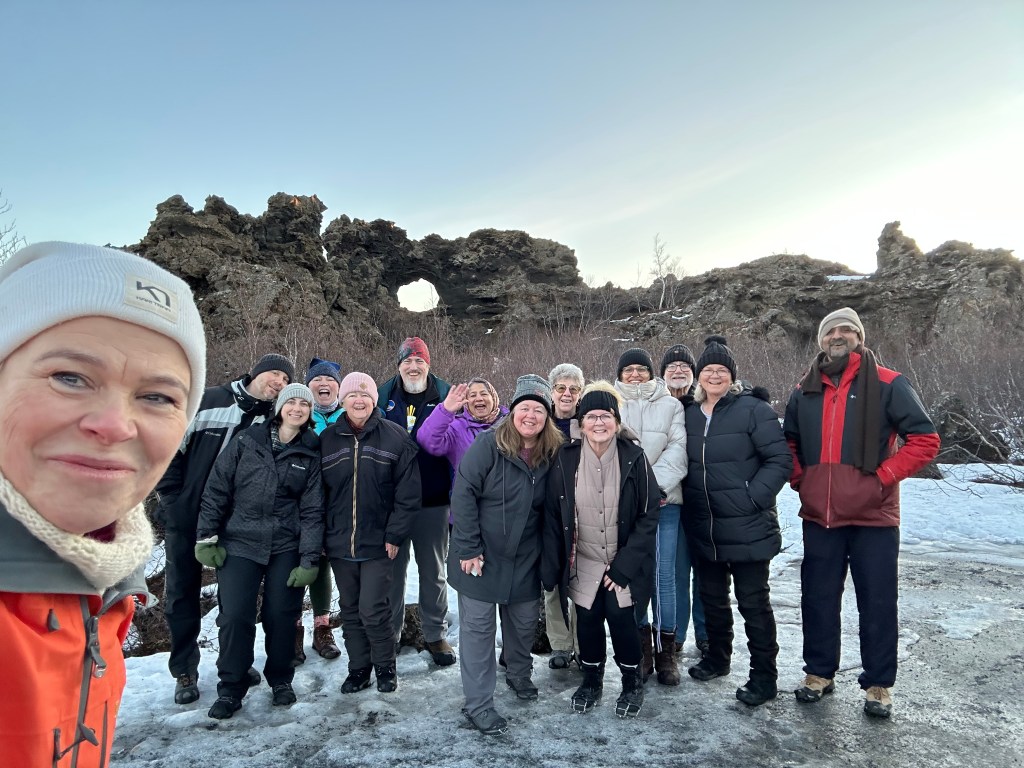
We were rebooked for a flight the next evening, boarded on time and five-and-a-half hours later Barbara and I landed at Keflavík International Airport – about an hour west of Reykjavik. Easily through customs we found our driver and made it to the meeting point for our tour with 20 minutes to spare, immediately found our group waiting in the lobby of the hotel and managed to grab a bit of breakfast before heading out. There were 14 of us ready to visit this land of fire and ice; a Kenyan couple, his sister and mother, four sisters from all over the US traveling together to celebrate one of the sister’s 70th birthday, two couples from different locations in California, and of course us. It turned out to be a wonderful group of new friends with whom to share this adventure. Our tour guide introduced herself as Boga. We loaded up and off we went.

We booked the Northern Lights Circle Tour, traveling the entire circumference of Iceland (Ring Road – get it?). The first day on the road took us past many scenic landscapes prior to reaching the Golden Circle.
First views of the Icelandic countryside during stops on the way to the Golden Circle. It was still early on an overcast day…
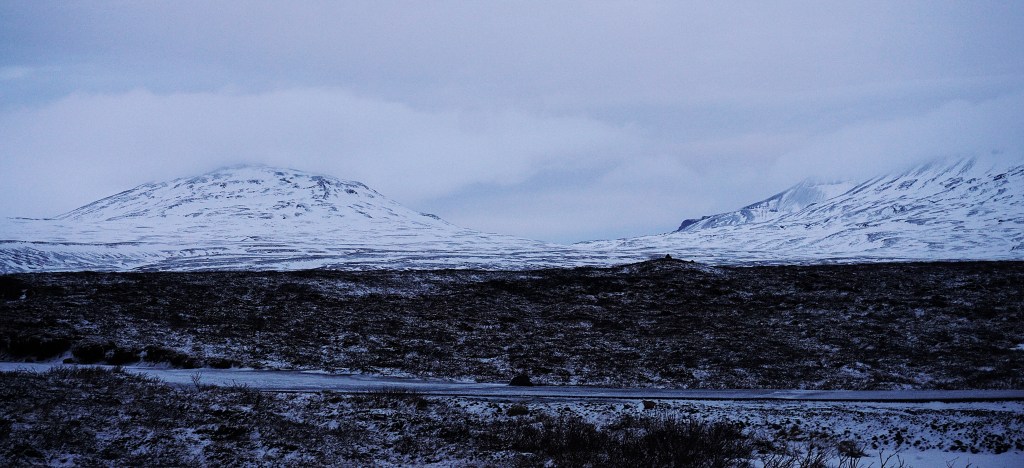
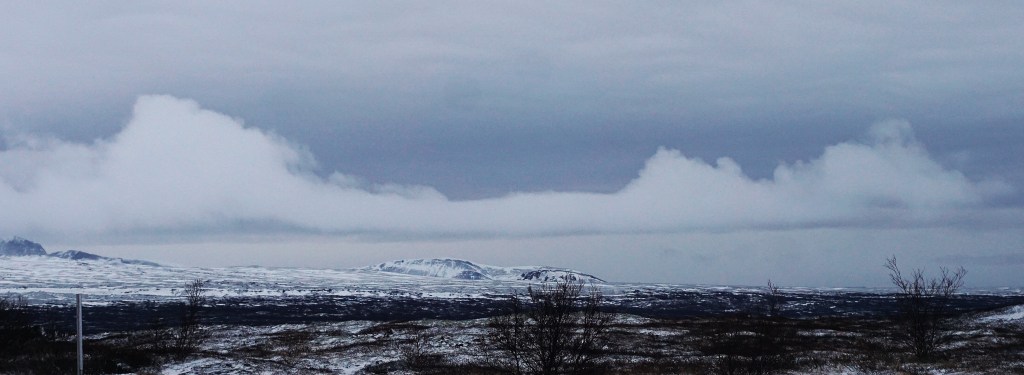

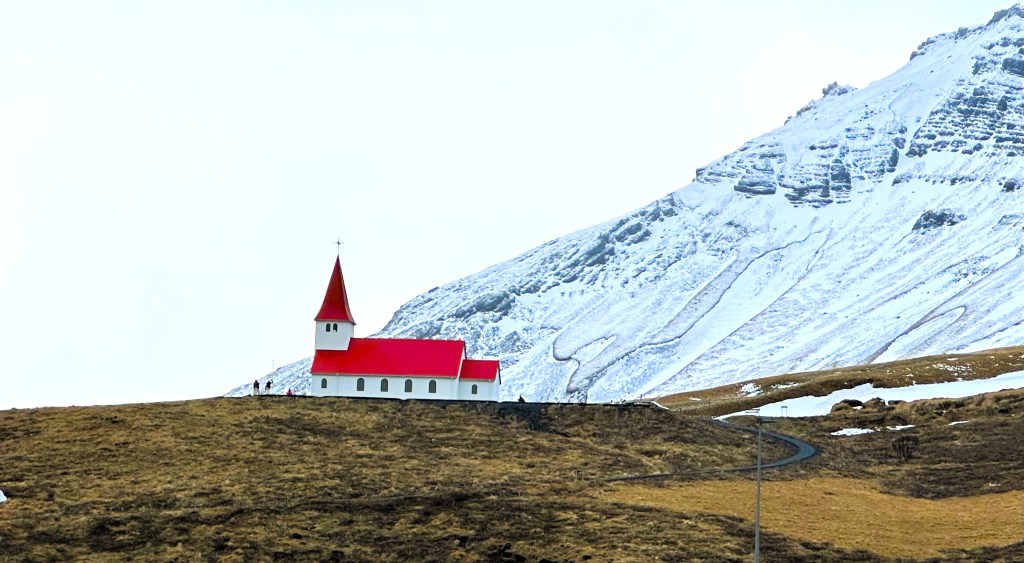
Strandarkirkja is nicknamed the “miracle church” due to a rumor that mystical happenings occurred at the location. Visitors from all over the world visit the church while in country and many more send donations in the belief that it will bring them good luck.
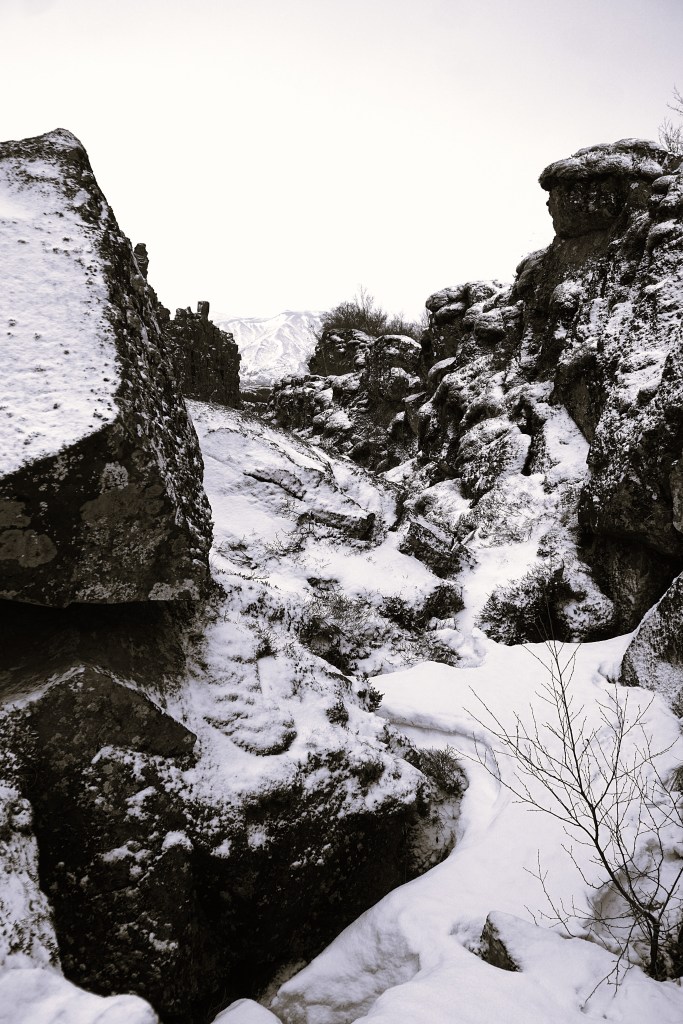
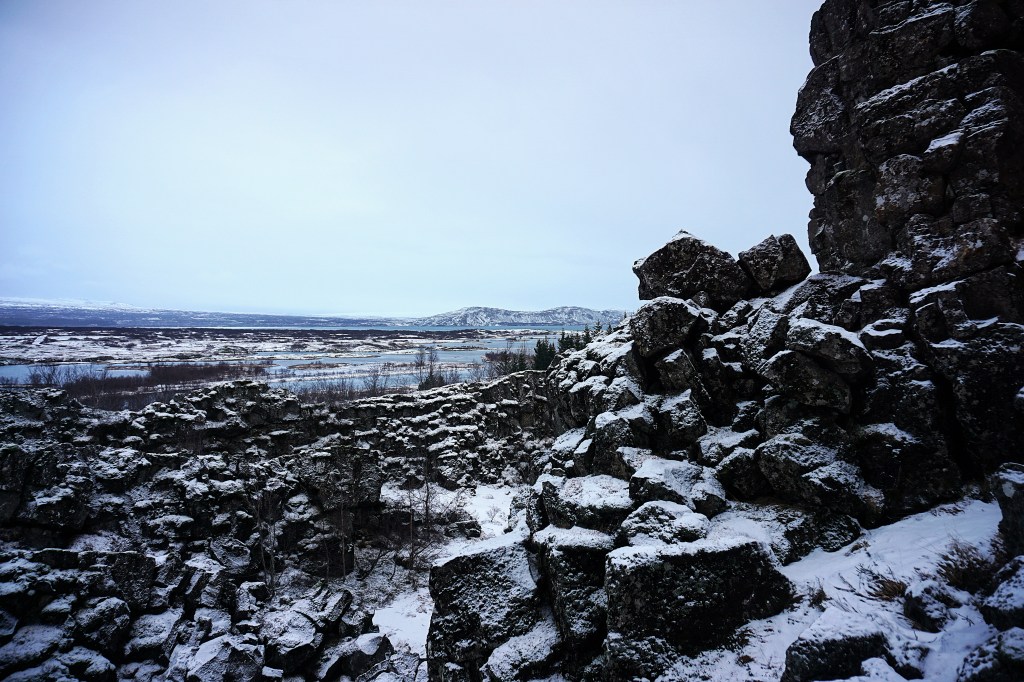
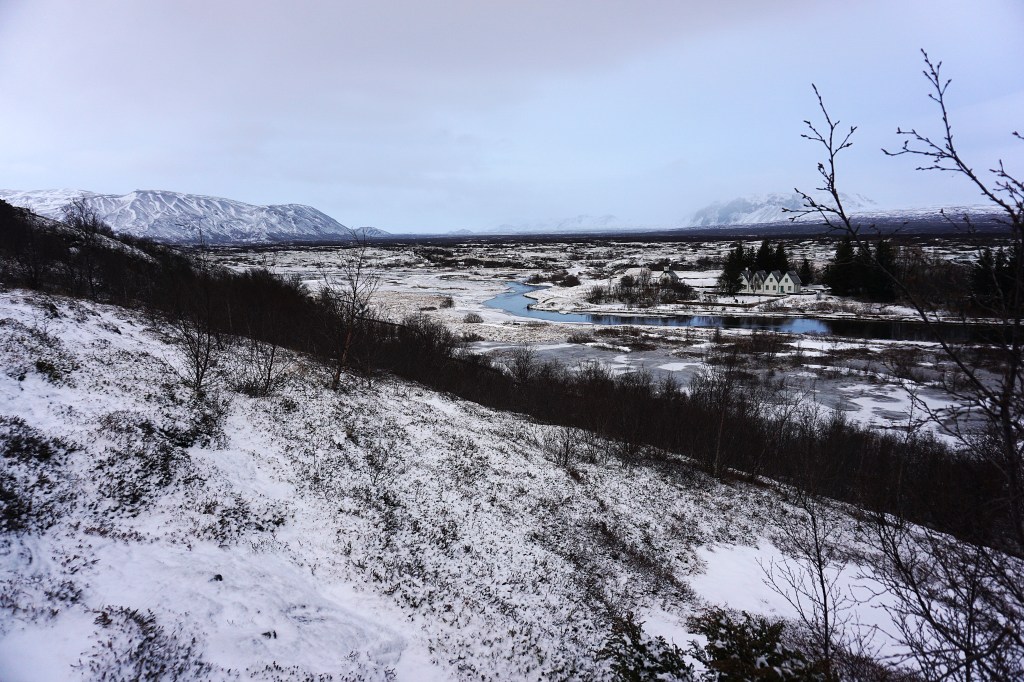
The Golden Circle contains some of the best-known sites in Iceland; UNESCO World Heritage Site Pingvellir National Park, Geysir Geothermal Hot Springs, and Gullfoss Waterfall.

There are two significant reasons for this to be an important stop in Iceland. The Icelandic Parliament, Althingi, was established here in 930AD, and then on 17 June 1944 Icelanders celebrated their independence from Denmark at this site. The second reason is that it is at this site that the continental rift that splits Iceland between the North American and Eurasian continents occurs.




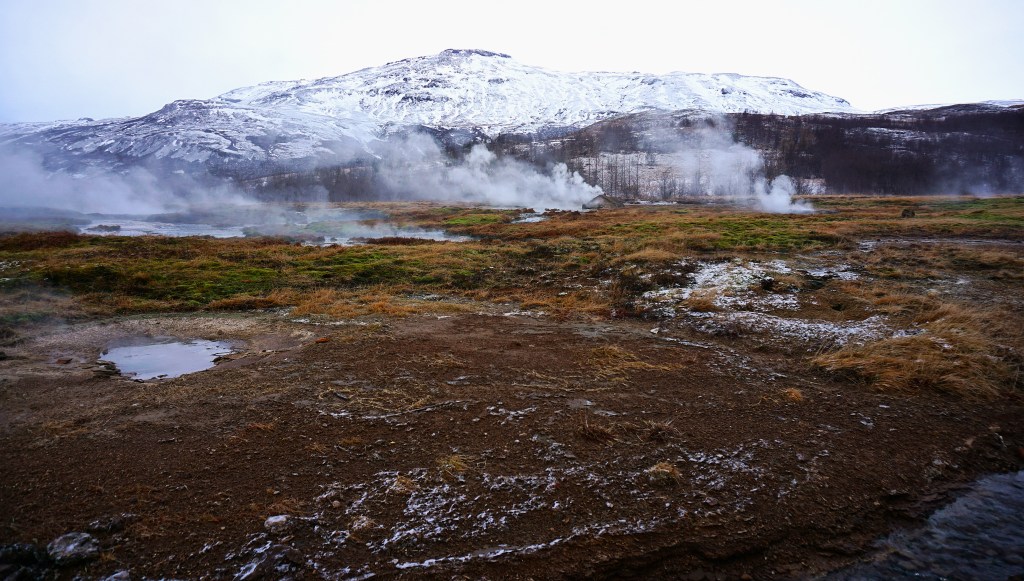
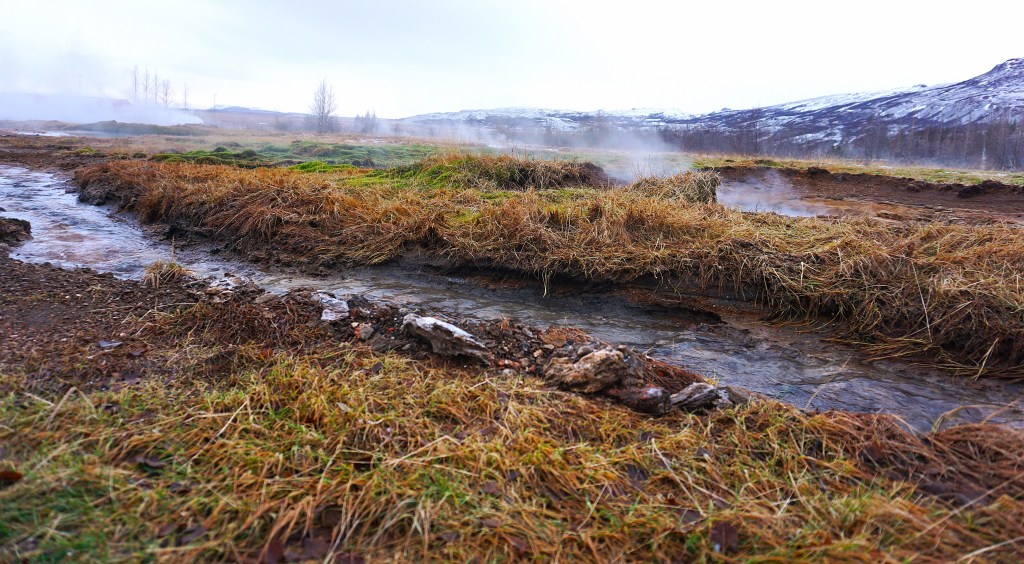
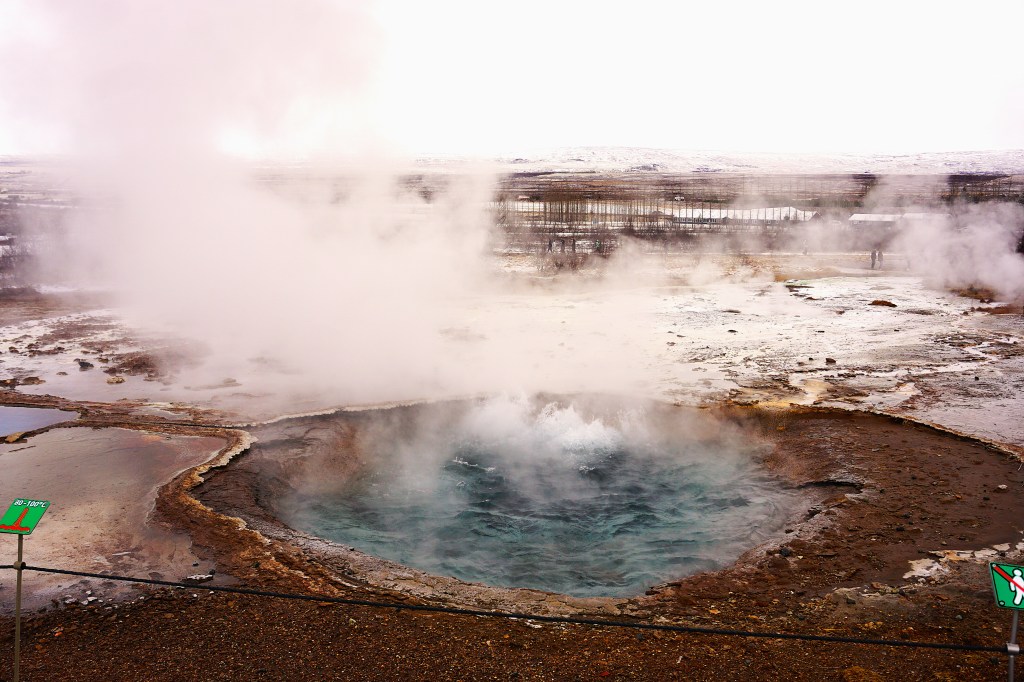
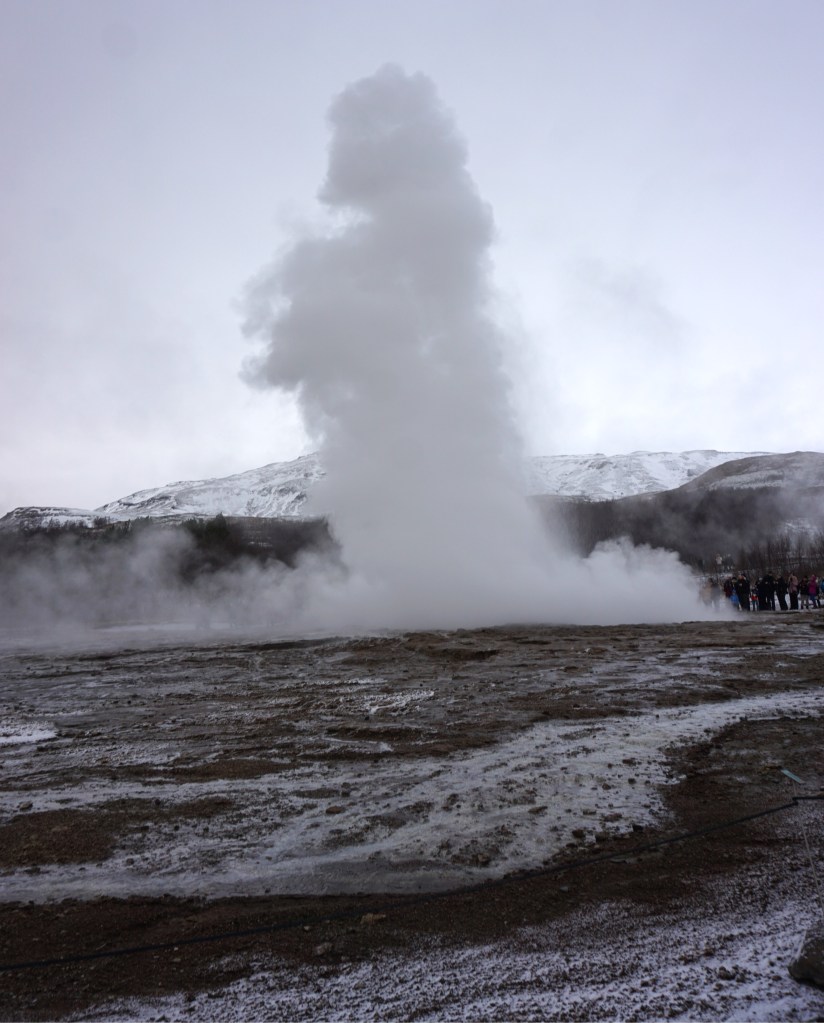
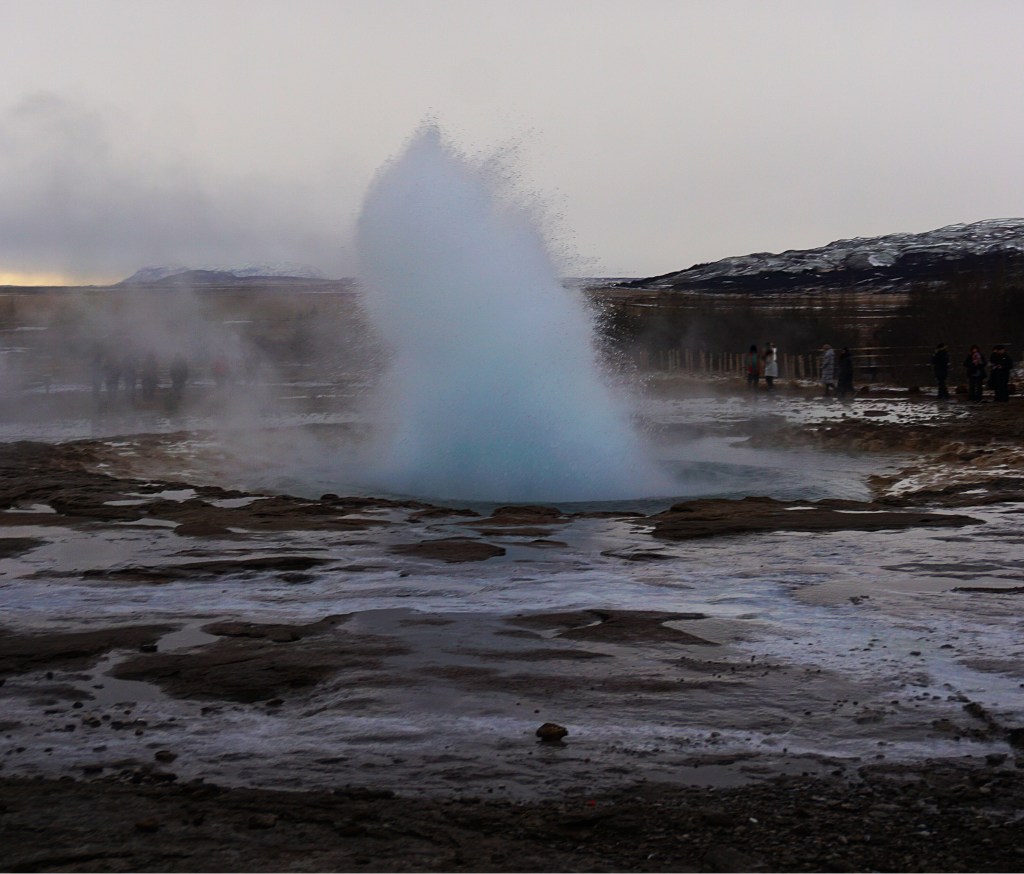
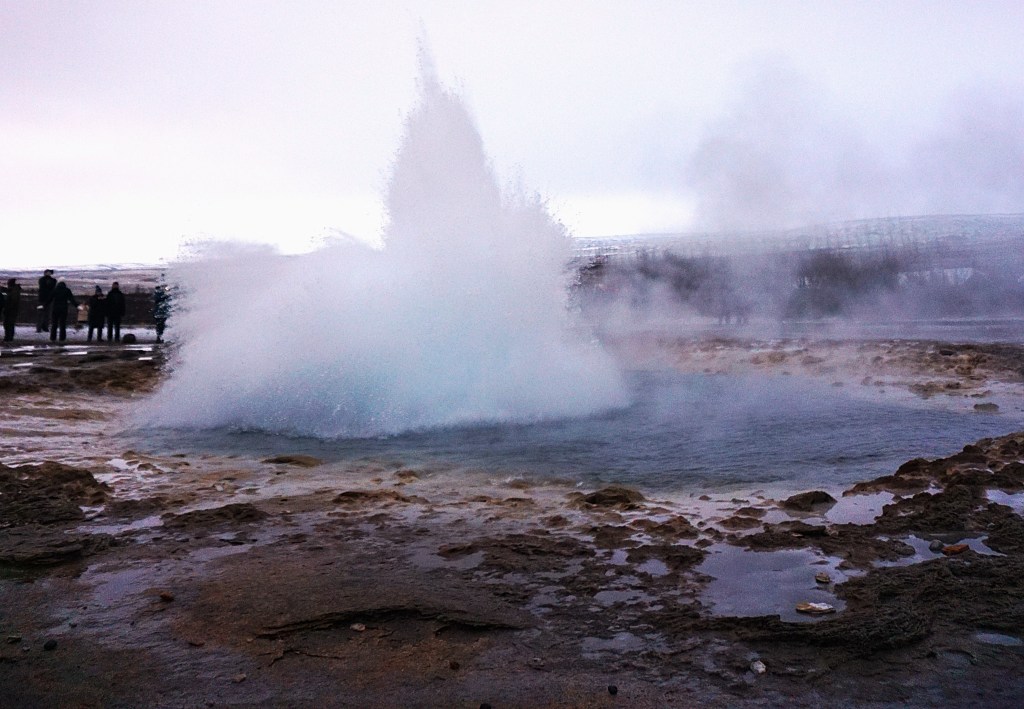
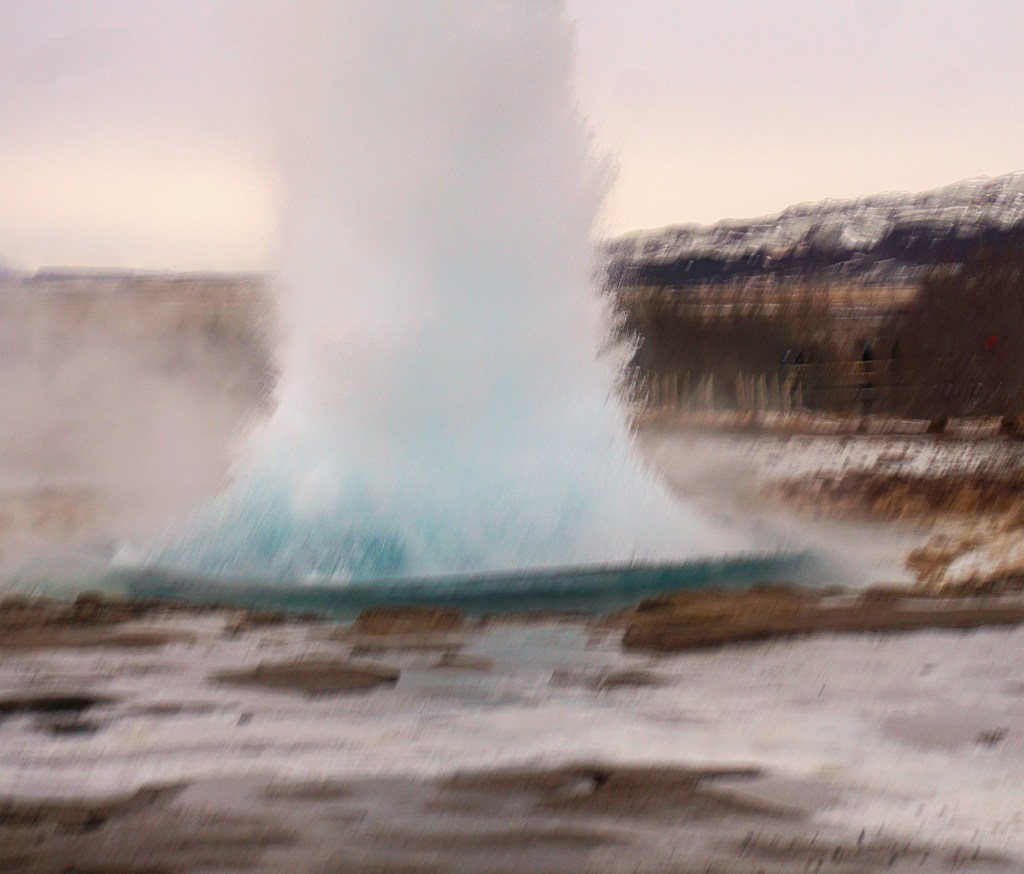
Geysir may be called a geothermal hot springs area, but it is really a caldera similar to Yellowstone National Park in the US. The volcano at this location has been dormant for “many” years; however, Mount Hekla is just in the distance and last erupted in 2000. The geyser Strokkur erupts every 10 minutes.


There are 269 glaciers in Iceland covering 4,400 square miles and covering approximately 10% of the landmass. The “run off” from the glaciers feeds the island’s rivers and as the waters flow towards the ocean, the waters pass over the hard rock layers in the riverbeds, eroding the softer rock beneath and creating steep drops. Iceland is home to tremendously beautiful and powerful waterfalls.
Just a quick “by the way…” All of the electricity the island needs is generated by turbines placed in the path of glacial rivers!
Gullfoss is a two-tiered waterfall that drops 32 meters into a narrow canyon.


Surprised that glacial “run off” produces all of the electricity for Iceland? Icelanders also figured out that by using geothermal energy to “fuel” greenhouse farms they could produce over 50% of the vegetables and fruits consumed on the island. And that same geothermal energy provides all of the necessary warmth for homes, buildings and businesses, as well as greenhouses and barns. Yes, even the livestock need a place to go in the middle of the very cold Icelandic winters.
We visited the geothermal greenhouses at the Fridheimer Farm, as well as the local stables to spend a bit of time with Icelandic horses.


Annually, Fridheimar Farms produces 370 tons of tomatoes in their geothermal greenhouses. We did get to sample the truly sweet cherry tomatoes and were served a comforting hot bowl of absolutely delicious premise made tomato soup accompanied with freshly made bread. We were offered the chance to add fresh basil to our soup and found the flavor more intense than expected.

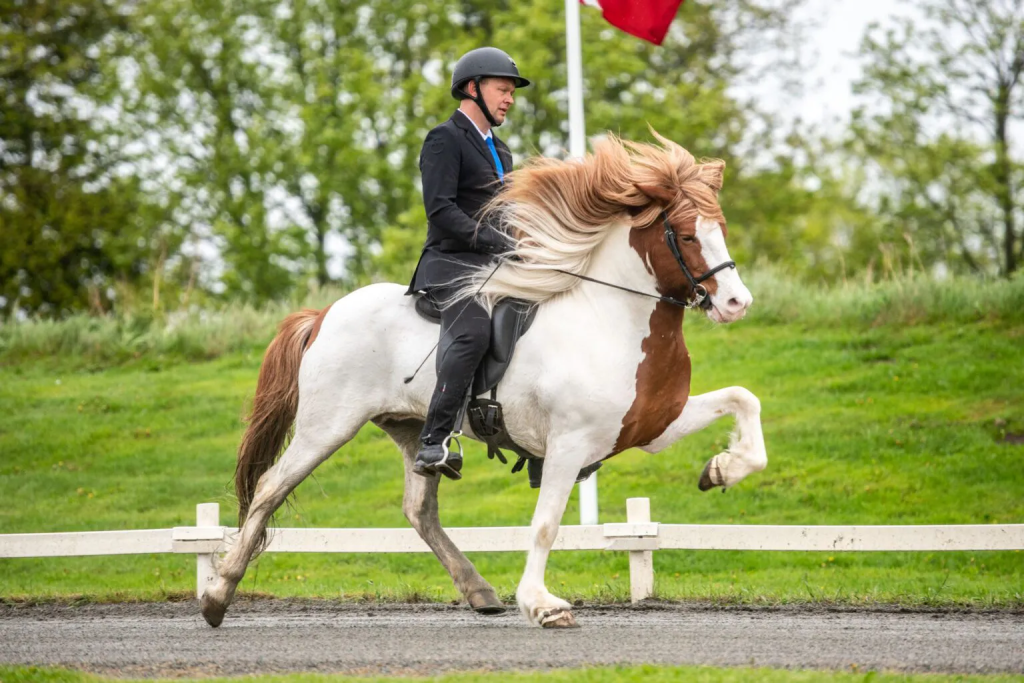
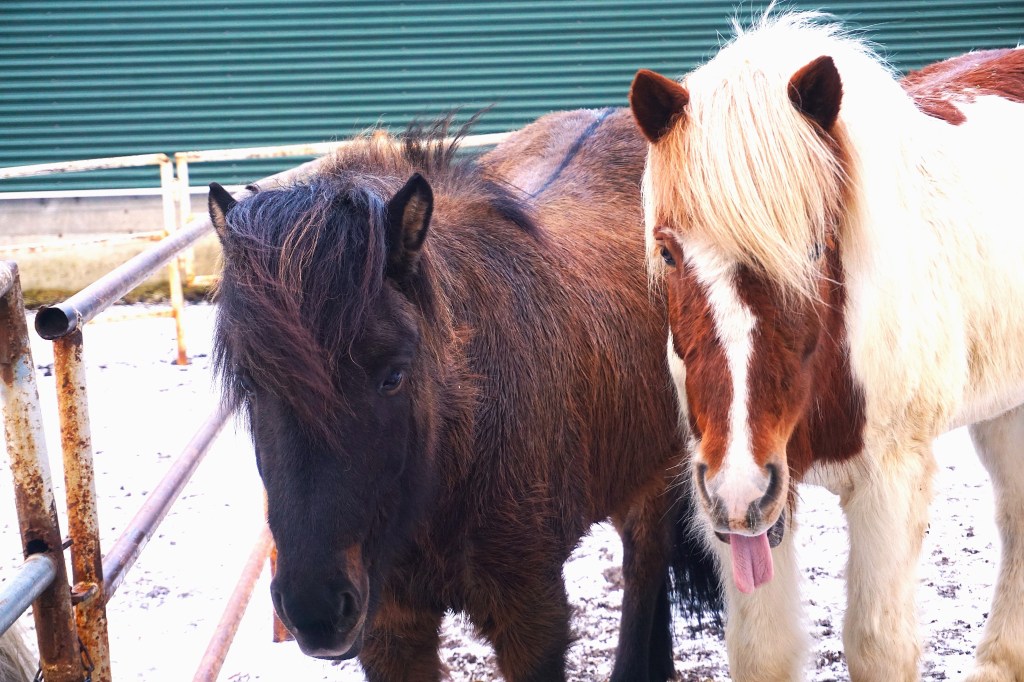
Icelandic horses have been on the island for more than 1,000 years. They are a resilient breed known for their adaptability, more than 40 diverse colors, and gentle temperament. They are rarely taller than 13 hands (54 inches), have short legs, weigh between 700-800 pounds, are particularly hairy with a full long forelock, mane, and tail. Bred to be sure footed and steady, it is the only horse breed in the world that can perform five gaits: the walk, the trot, the canter and, uniquely, the tolt and the flying pace. The tolt? Icelandic horses lift their front legs up high, and only one foot touches the ground at any time. The four-beat, incredibly smooth gait is useful for the uneven ground of Iceland. We were delighted to watch one of the horses give a demonstration of each of the five gaits.

Bidding farewell to our new equine friends, bellies full of tomato soup, and with today’s memories of the sites of the Golden Circle, our first day in Iceland was coming to a close. We checked into our hotel, and after a brief time to put our feet up we had a delightful dinner – finally getting to spend some time getting to know our traveling companions amidst lively conversations about each of our homes, our first day’s adventure and wondering what the following days would bring. Oh yeah – the 3-course meal was absolutely delicious.
Barbara and Brian
“It’s not what you look at that matters, it’s what you see.“ – Henry David Thoreau

 Aimless Wanderings
been waiting for this. Yay!
LikeLike